If you’ve been trying to cut back on regular cola — whether for blood sugar reasons, gut health, or just because you’re tired of the sugar crash — you’ve probably noticed the market has exploded with alternatives. “Zero sugar” used to mean one thing: diet soda sweetened with aspartame. Now it covers everything from big-brand reformulations to prebiotic wellness sodas (drinks designed to feed the beneficial bacteria in your gut) to hybrid colas made with small amounts of real cane sugar plus plant fiber. That’s a genuinely confusing range of products to sort through, especially when your daily Coca-Cola habit is the thing you’re trying to replace. This article compares three of the most-discussed options right now — Coca-Cola Zero Sugar, OLIPOP Vintage Cola, and Pepsi Prebiotic Cola — on the dimensions that actually matter: taste fidelity, sweetener chemistry, gut-health benefits, blood sugar impact, and real-world buyer satisfaction. By the end, you’ll have a clear decision framework, not just a list.
What You’re Actually Choosing Between
These three products are solving the same surface problem — replacing regular cola — but they come from completely different philosophies, and that matters for how you use them.
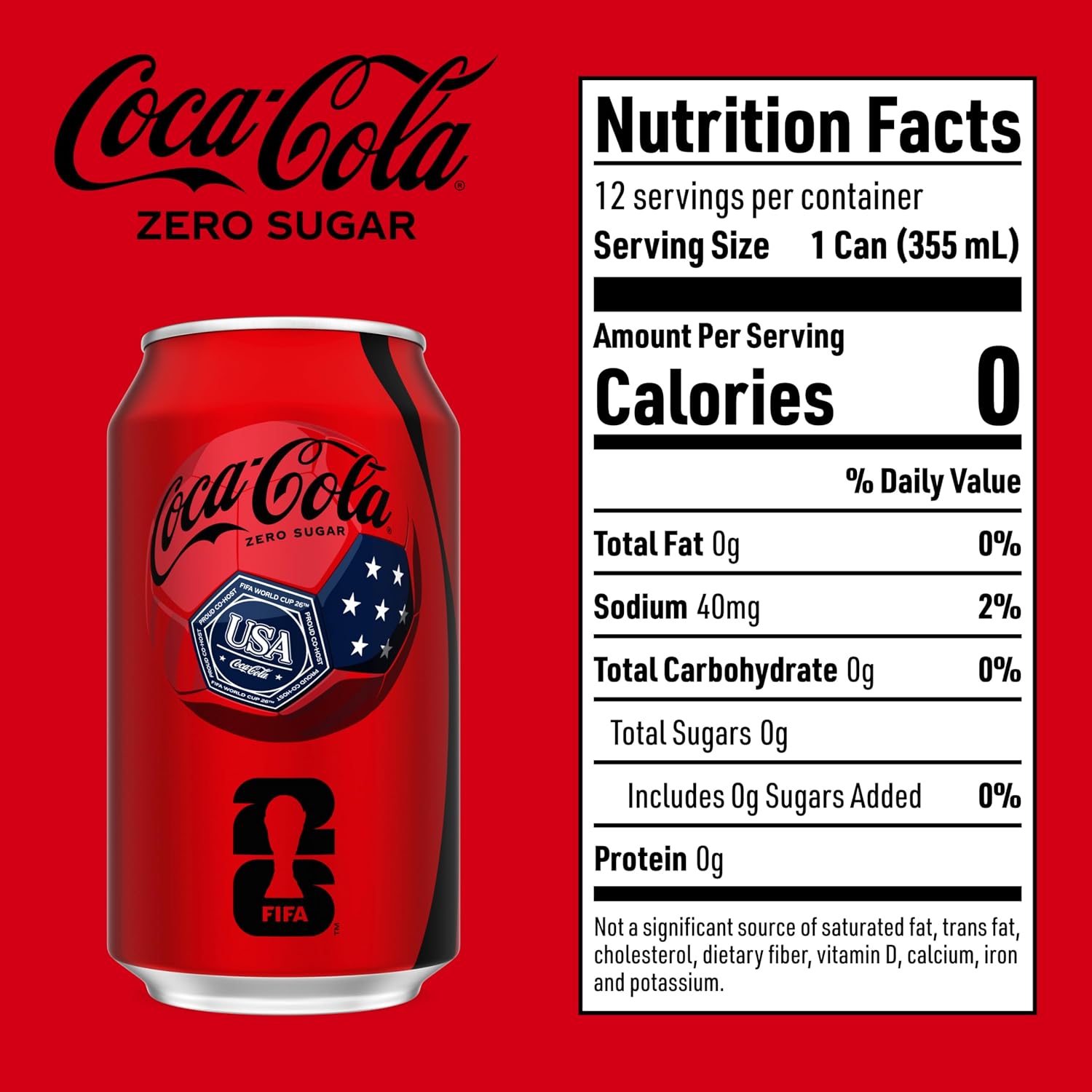
Coca-Cola Zero Sugar is a full-on zero-calorie, zero-carb reformulation of classic Coke. It uses a blend of aspartame and acesulfame potassium (Ace-K) — two artificial sweeteners that produce sweetness without raising blood glucose. The brand’s stated goal is pure taste parity: drink this and feel like you’re drinking a Coke.
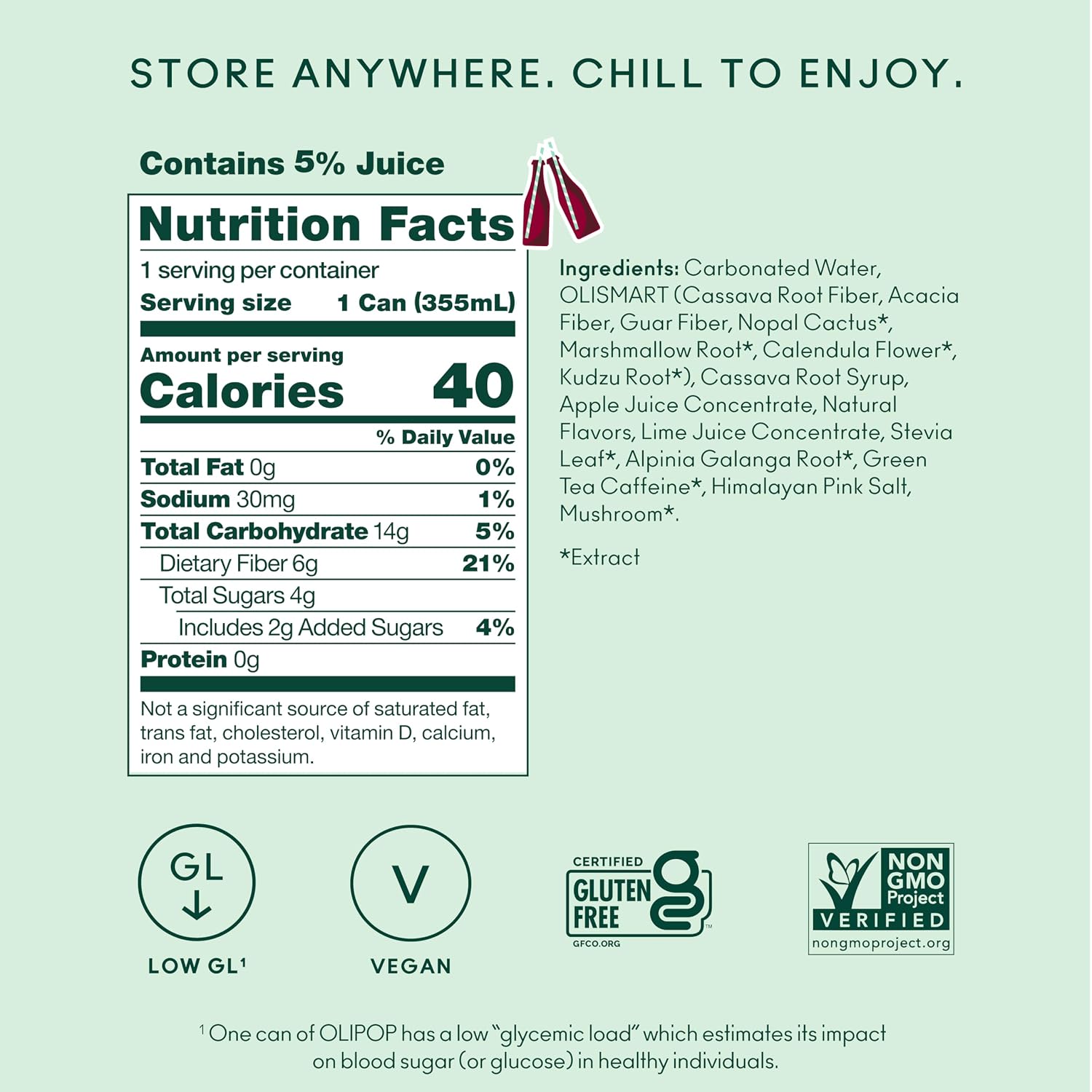
OLIPOP Vintage Cola is a functional soda — a category that blends the pleasure of soda with ingredients that have some nutritional purpose. It contains 35 calories and 5 grams of actual cane sugar per can, which sounds counterintuitive for a health-forward product. The key is the 9 grams of prebiotic and plant fiber it delivers alongside that sugar. It is sweetened primarily with cassava root syrup and stevia, not artificial sweeteners.
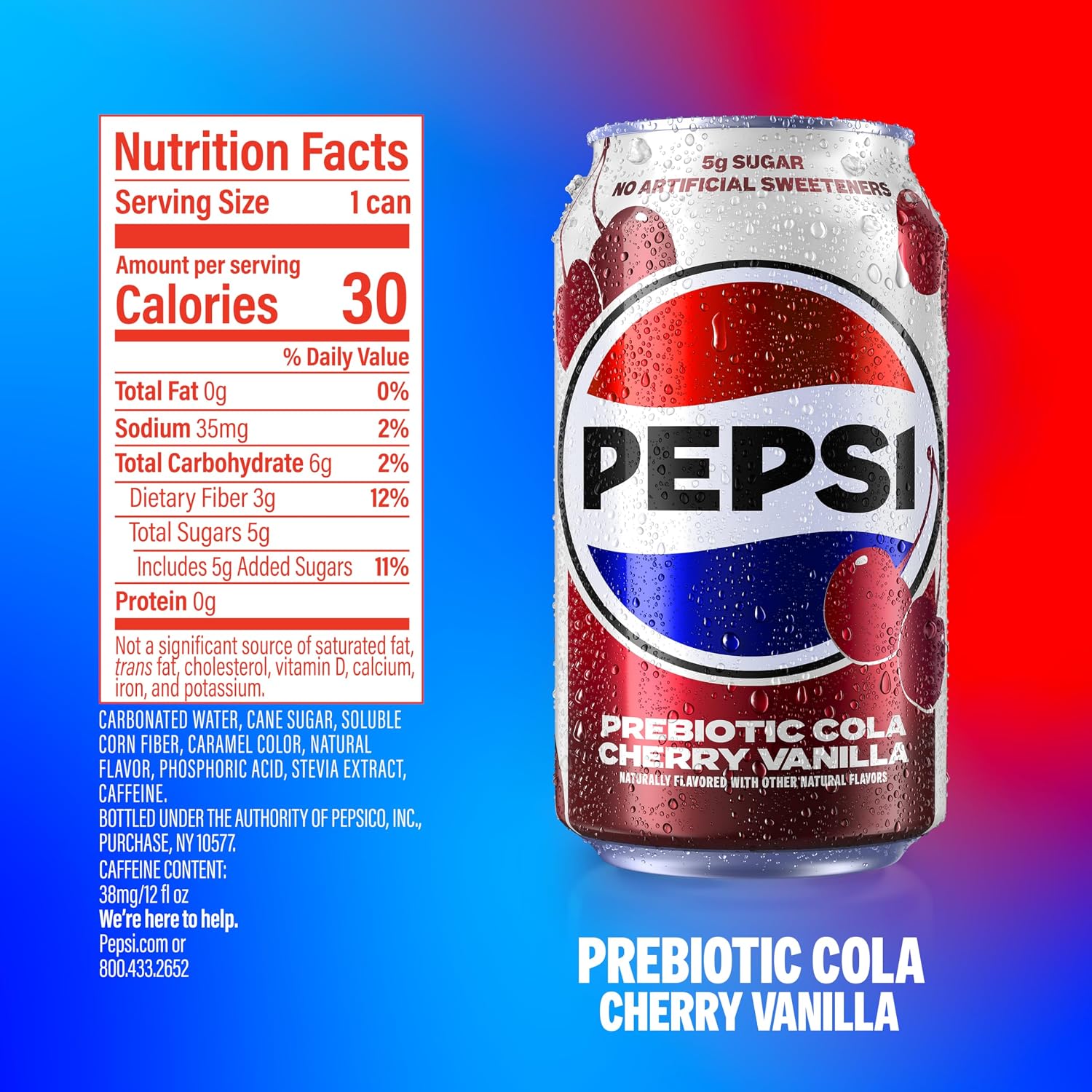
Pepsi Prebiotic Cola is PepsiCo’s answer to the functional-soda category. It contains 5 grams of sugar per can and delivers prebiotic fiber, but uses a different sweetener mix. It launched with significant marketing emphasis on its “no artificial sweeteners” positioning and has been among the more polarizing launches in the category since hitting retail at scale in late 2024.
Understanding which philosophy fits your life is more important than memorizing which one “won” a taste test.
Head-to-Head: Taste, Chemistry, and Gut-Health Claims
Coca-Cola Zero Sugar — The Taste-Fidelity Standard
If your primary goal is replacing the sensory experience of a Coca-Cola — the bite, the sweetness, the vanilla-and-spice cola flavor — Coke Zero is the closest to the real thing, and it’s not particularly close. Aggregated buyer feedback across retail platforms consistently describes it as nearly indistinguishable from full-sugar Coke. Bon Appétit’s ranked guide to diet sodas (Bon Appétit, “The Best Diet Sodas, Ranked,” 2024) singles out Coke Zero’s flavor fidelity as a standout in the category. A meaningful subset of reviewers — particularly those with heightened sensitivity to bitter notes — do report a lingering aftertaste on the back palate from the aspartame-plus-Ace-K blend. It’s real; it just doesn’t bother most people.
On sweetener chemistry: Coke Zero uses aspartame and Ace-K, both of which have extensive regulatory safety records. Neither raises blood glucose at typical serving quantities, which is why Coke Zero is consistently cited by buyers managing Type 2 diabetes or pre-diabetes as safe for their routines. Consumer Reports’ 2024 analysis of sugar-free soda labeling (Consumer Reports, “Sugar-Free Sodas: What the Labels Really Mean,” 2024) confirms that products with zero carbohydrates and zero sugar carry the least uncertainty for glycemic management.
Pepsi
$7.97
In stock on Amazon
Check price on AmazonOLIPOP Vintage Cola — The Functional-Fiber Option
OLIPOP earns consistent praise for being surprisingly good — which is its own kind of endorsement. Buyers frequently describe genuine surprise that a soda with 35 calories and plant fiber can taste as cola-adjacent as it does. The flavor profile is cola-inspired rather than cola-replica: you get a lighter, slightly herbal sweetness, less carbonation intensity than a classic Coke, and no artificial sweetener edge. Tasting Table’s 2025 prebiotic soda ranking (Tasting Table, “Every Prebiotic Soda Ranked,” 2025) notes that OLIPOP’s cola variant performs better on taste than several of its other flavors.
If you’re a hardcore Coke loyalist, OLIPOP Vintage Cola will read as “good, different” rather than “same.” If you’re open to a transition rather than a direct swap, it performs well above its category average.
The 9 grams of prebiotic and plant fiber per can is the headline functional claim, and it’s backed by OLIPOP’s published nutrition label — not a vague marketing assertion. That figure represents roughly 30 percent of the FDA’s daily fiber reference value in a single 12-ounce can. OLIPOP uses cassava root syrup and stevia as its primary sweeteners. Stevia is plant-derived and carries no caloric impact, though some individuals detect a faint licorice or bitter note at high concentrations; OLIPOP uses it at levels most reviewers don’t flag as intrusive.
The 5 grams of cane sugar per can is real sugar and will produce a small glycemic response. Consumer Reports’ 2024 sugar-free labeling analysis notes that at quantities around 5 grams, the glycemic effect is negligible compared to a full-sugar cola’s typical 39 grams — but it is not zero, and people on strict low-carb protocols should track it as any other carbohydrate.
Coca-Cola
$8.42
In stock on Amazon
Check price on AmazonPepsi Prebiotic Cola — The No-Artificial-Sweetener Big-Brand Bet
Pepsi Prebiotic Cola is the most divided product in this comparison. Five-star reviewers are genuinely enthusiastic: they celebrate the low sugar content, the absence of artificial sweeteners, and what several describe as a “clean” finish. Multiple buyers explicitly mention that their doctors approved it for blood sugar management. One-star reviewers, however, are equally emphatic in the opposite direction — they describe a medicinal, almost pharmaceutical aftertaste, and more than a few note that the cherry-cola variant bears little resemblance to cherry. This is not a fringe criticism; the negative-review pattern is consistent enough that any fair assessment has to name it.
Tasting Table’s 2025 prebiotic soda ranking describes Pepsi Prebiotic as a product where “your mileage will genuinely vary” — an assessment that aligns with the polarized buyer feedback pattern.
The likely explanation for the taste split: Pepsi Prebiotic relies on cane sugar combined with inulin (the prebiotic fiber source) rather than artificial sweeteners. The “chemical” aftertaste some reviewers detect is not an artificial sweetener reaction — it appears to trace to specific natural flavor compounds used in the cola and cherry-cola variants. “Natural flavors” is a regulatory category that encompasses a wide range of aromatic molecules, and individual sensitivity to specific compounds varies widely. This is a real physiological phenomenon, not a placebo effect.
On fiber content: Pepsi Prebiotic’s fiber delivery per can is less precisely disclosed than OLIPOP’s. Label review puts the figure in the 3–5 gram range, but the brand has not published a standardized per-can figure in the same manner OLIPOP does. Bon Appétit’s diet soda coverage and Tasting Table’s prebiotic rankings both note that OLIPOP remains the clearer leader on documented fiber content.
OLIPOP
$16.13
In stock on Amazon
Check price on AmazonBy the Numbers: Fiber, Sugar, and Calories Per Can
| Product | Calories | Sugar | Prebiotic/Plant Fiber | Artificial Sweeteners |
|---|---|---|---|---|
| Coca-Cola Zero Sugar | 0 | 0g | 0g | Yes (aspartame, Ace-K) |
| OLIPOP Vintage Cola | 35 | 5g | 9g | No (stevia + cassava) |
| Pepsi Prebiotic Cola | ~30 | 5g | ~3–5g | No (cane sugar + inulin) |
Per-can figures based on published nutrition labels as of early 2026. Always verify current packaging — formulations can update.
OLIPOP’s 9-gram fiber figure is the most precisely documented in this category. Pepsi Prebiotic’s fiber content is real but less transparently quantified. Coke Zero delivers zero fiber and zero sugar — a different value proposition entirely.
Blood Sugar and Diabetes: Which Is Actually Safe?
This is the question that drives a significant portion of this category’s buyers, and the answer is more nuanced than any single product’s marketing suggests.
Coke Zero is the clearest choice for strict glycemic control. Zero carbohydrates, zero sugar, no caloric impact. Buyers managing Type 2 diabetes or pre-diabetes consistently note across retail feedback that Coke Zero does not affect their blood glucose readings. Consumer Reports’ 2024 sugar-free soda analysis describes aspartame and Ace-K as having no measurable blood glucose impact at typical serving quantities — the most precisely documented position available for a zero-carb soda.
OLIPOP Vintage Cola has 5 grams of real sugar. For most people managing blood sugar through diet, that’s a manageable quantity — especially given the fiber content, which slows glucose absorption. But it is not zero, and people on insulin therapy or strict low-carb protocols should log it accordingly.
Pepsi Prebiotic Cola sits in a similar position: 5 grams of cane sugar per can, with prebiotic fiber intended to moderate the glycemic curve. Reviewers who’ve received physician approval for Pepsi Prebiotic are generally managing blood sugar through lifestyle rather than medication — a meaningful distinction worth raising with your own provider.
If you are managing diabetes with medication or insulin, the safest path based on available label data is Coke Zero. If you’re managing through diet and want documented fiber benefits alongside your cola, OLIPOP is the better-quantified option.
Frequently Asked Questions
Does Coca-Cola Zero Sugar actually taste like regular Coke, or does it have an aftertaste? For most people, it’s remarkably close — close enough that buyers routinely describe being unable to tell the difference in casual drinking. A minority of drinkers, particularly those sensitive to aspartame’s slightly bitter back note, do pick up an aftertaste. If you’ve had issues with diet sodas in the past, try a single can before committing to a multipack.
Is OLIPOP Vintage Cola a realistic substitute for someone who drinks multiple Cokes a day? Realistic as a transition, less so as a perfect replacement. The flavor is cola-adjacent, not cola-identical. Heavy Coke drinkers who’ve switched report that OLIPOP satisfies the urge but reads as its own thing. At 35 calories and 9 grams of fiber per can, drinking multiple cans a day is nutritionally interesting rather than problematic — but the cost per can is significantly higher than Coke Zero, which matters at volume.
What sweetener does Pepsi Prebiotic use, and why do some people find it off-putting? Pepsi Prebiotic uses cane sugar combined with inulin fiber rather than artificial sweeteners. The aftertaste some reviewers describe likely traces to specific natural flavor compounds used in the cola and cherry-cola variants. It is not an artificial sweetener reaction — it appears to be a sensitivity to particular aromatic molecules that affects a meaningful minority of buyers.
How much prebiotic fiber does OLIPOP vs. Pepsi Prebiotic actually deliver per can? OLIPOP publishes 9 grams of prebiotic and plant fiber per can on its nutrition label. Pepsi Prebiotic’s fiber content is less precisely disclosed but appears to fall in the 3–5 gram range based on label review. OLIPOP has a clear, documented edge on this metric.
Which of these is safe for people managing blood sugar or diabetes? Coca-Cola Zero Sugar is the most straightforward choice for strict glycemic management — zero sugar, zero carbs, no measurable blood glucose impact per Consumer Reports’ 2024 sugar-free soda analysis. OLIPOP and Pepsi Prebiotic both contain 5 grams of cane sugar per can, which is low but not zero. Consult your healthcare provider if you’re managing with medication or insulin.
The Decision Rule
Here’s the framework, stated plainly:
If taste fidelity is your top priority and you’re managing strict blood sugar → Coca-Cola Zero Sugar is the answer. It is the closest thing to a Coke that carries no glycemic uncertainty, and it’s the most extensively reviewed option in the category for exactly that use case. Bon Appétit’s diet soda ranking and Consumer Reports’ sugar-free analysis both support its position as the reference standard for zero-calorie cola taste.
If you want documented functional gut-health benefits and you’re comfortable with a slightly different flavor and a higher price point → OLIPOP Vintage Cola is the best-documented choice. Nine grams of fiber per can, a consistent positive reviewer pattern, and transparent nutrition labeling put it ahead of Pepsi Prebiotic on every measurable functional dimension. Tasting Table’s 2025 prebiotic soda ranking confirms its lead within the functional-soda category.
If you want no artificial sweeteners but also want to stay in a big-brand ecosystem → Pepsi Prebiotic is worth trying — but buy a single can first. The flavor split between enthusiasts and detractors is real and appears tied to individual sensitivity to the product’s natural flavor compounds. Do not commit to a case without testing your own palate against it first.
The broader pattern across all three: buyers trying to exit a regular-soda habit are the dominant use case, and all three products can work. The one that works best for you depends on whether you’re optimizing for taste, for documented health function, or for ingredient transparency — and those three priorities do not all point to the same can.