If you’ve ever stood in the beverage aisle — or scrolled through an online cart — and wondered whether the red Sanpellegrino can, the gold can, and the slimmer can are actually the same drink with different labels, you’re not alone. Sanpellegrino (the Italian sparkling drink brand, not the plain sparkling water sold under a similar name) now runs three meaningfully different product lines: the Classic Italian Sparkling Drinks (the original fruit-forward cans in the iconic red-and-gold packaging), the CIAO line (a newer, lighter sparkling water with a trace of real juice — think sparkling water’s more interesting cousin), and the Zero Sugar line (the classic flavors reformulated without added sugar). Each line targets a different use case, a different palate, and a different moment. This article maps out the real differences so you can make the right call for your situation, whether you’re stocking a home bar, planning an event, managing a restaurant’s non-alcoholic program, or just figuring out what to reorder.
| EDITOR'S PICKSanpellegrino Italian Sparkling… | Mid-tierSanpellegrino CIAO! Blood Orang… | Budget pickS.Pellegrino Sparkling Natural… | |
|---|---|---|---|
| Flavor | Orange & blood orange | Blood orange | Unflavored |
| Added sugar | — | 0g | — |
| Calories | — | Low-cal | — |
| Drink type | Sparkling drink | Sparkling water | Sparkling water |
| Bottle size | 11.15 fl oz | — | 11.15 fl oz |
| Price | $25.99 | $18.37 | $13.31 |
| See on Amazon → | See on Amazon → | See on Amazon → |
What Each Line Actually Is (And Isn’t)
Getting these three lines confused is understandable — they share a brand identity and an Italian heritage story — but the products are genuinely distinct.
Classic Italian Sparkling Drinks
The Classic Italian Sparkling Drinks are the original, dating back to 1932. Flavors like Aranciata (orange), Limonata (lemon), Aranciata Rossa (blood orange), and Pompelmo (grapefruit) are built on real Italian fruit juice combined with carbonated water and sugar. They are not diet drinks. They are not sparkling water. They are lightly sweet, fruit-forward sparkling beverages that sit closer to a refined fruit soda than to anything plain. Tasting Table, in their editorial piece “Every Sanpellegrino Flavor Ranked,” consistently places Aranciata Rossa and Limonata at the top of the lineup for their balance of tartness and sweetness. The 11.15 oz can — sold individually or in multipacks — is the format most buyers encounter first.
If you want a satisfying, standalone sparkling drink with genuine fruit character and no calorie concerns, this is the line for you.
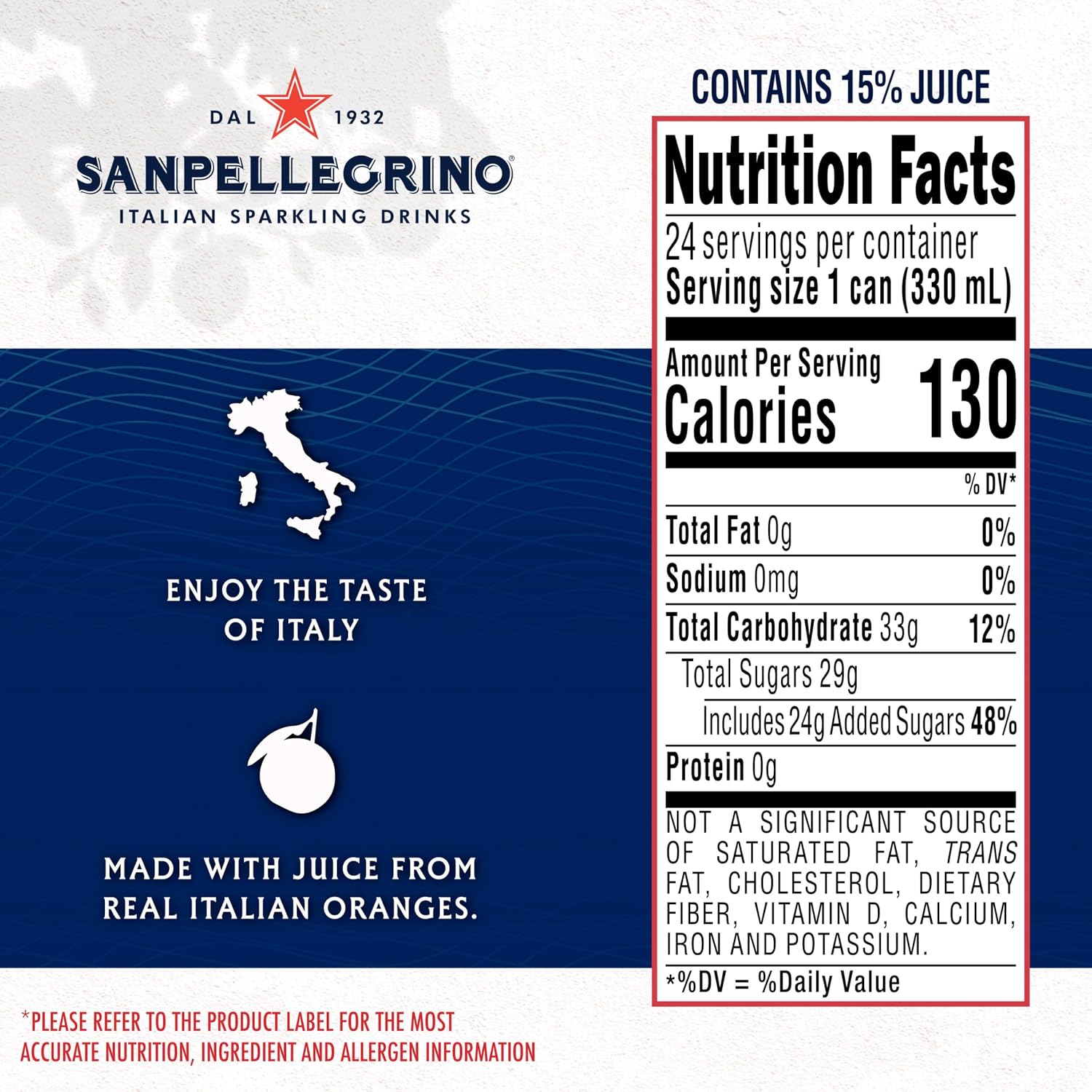
Sanpellegrino
$25.99
In stock on Amazon
Check price on AmazonSanpellegrino CIAO
The CIAO line is newer and genuinely different in intent. CIAO cans are taller and slimmer — an 11.15 oz slim-can format — and the formula is carbonated water with a very small amount of real fruit juice and no added sugar. The juice percentage is low enough that CIAO reads more as flavored sparkling water than as a fruit drink. This distinction matters: reviewers who describe themselves as sparkling water loyalists frequently report that CIAO converted them because it tastes like something without tasting like a soda. The Kitchn, in their editorial overview “We Tried Every Sparkling Italian Soda We Could Find,” notes that CIAO occupies an intentional middle ground — more flavor than plain sparkling water, far less sweetness than the Classic line.
Cherry and Blood Orange are the most frequently repurchased CIAO flavors based on review commentary. The flavor is subtle — if you want a pronounced fruit hit, CIAO will underwhelm you. If you want sparkling water that tastes like something without committing to a full soda, CIAO lands in a genuinely useful gap.

Sanpellegrino
$18.37
In stock on Amazon
Check price on AmazonZero Sugar Line
The Zero Sugar line takes the Classic flavor profiles — Aranciata, Limonata, and a few others — and reformulates them with sweetener blends to remove added sugar while keeping the fruit juice base. This is the line that VinePair, in their editorial piece “The Best Sparkling Drinks for Mocktails and Mixers,” highlights when discussing low-calorie alternatives for cocktail and mocktail builds, specifically because the flavor complexity holds up better than typical diet sodas.
The most common concern in pre-purchase reviews is artificial sweetener aftertaste. The Zero Sugar formulas do use sweetener blends — stevia and/or sucralose depending on the SKU — and a minority of buyers report a mild aftertaste, particularly in the Aranciata Zero. That said, the broader pattern across editorial reviews is that most buyers find the aftertaste mild enough to be a non-issue, especially when used as a mixer or over ice, where dilution softens any residual sweetness.
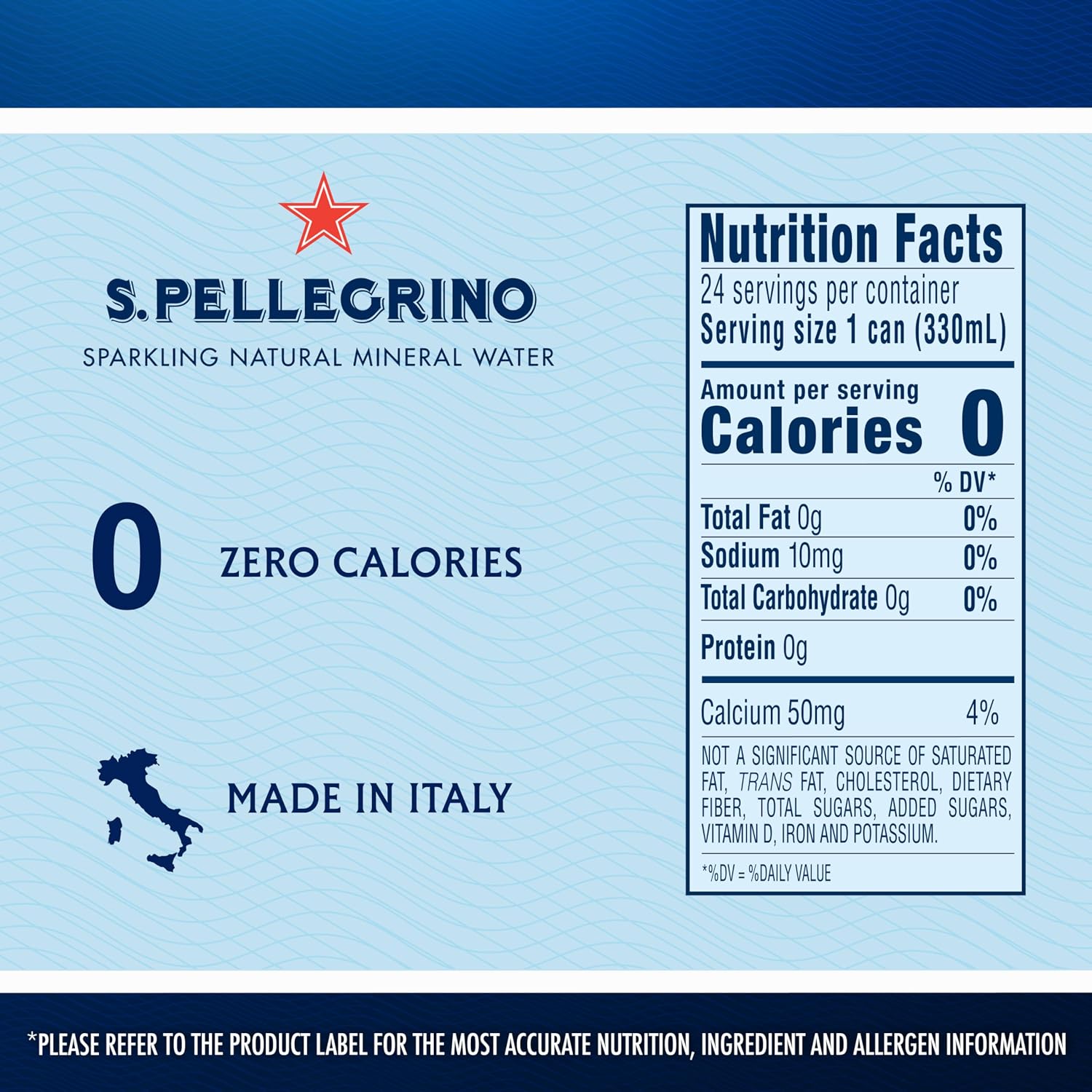
S.Pellegrino
$13.31
In stock on Amazon
Check price on AmazonThe Numbers That Actually Matter
Before getting into tradeoffs, here’s a grounding snapshot of what you’re comparing across the three lines:
| Line | Sugar (per can) | Juice content | Primary use case | Format |
|---|---|---|---|---|
| Classic Sparkling Drinks | ~25–27g added sugar | Real Italian fruit juice | Standalone drink, food pairing | 11.15 oz can or glass bottle |
| CIAO | 0g added sugar | Trace juice, mostly sparkling water | Sparkling water replacement, light refreshment | 11.15 oz slim can |
| Zero Sugar | 0g added sugar | Real fruit juice + sweeteners | Mixer, mocktail, diet alternative | 11.15 oz can |
Pricing across all three lines has shown real volatility at major online retailers through 2025 and into 2026. Premium imported sparkling drinks are particularly susceptible to import cost shifts, retailer margin adjustments, and demand spikes around seasonal launches. If you’re buying for an event or a bar program, building a price-check window into your procurement workflow before committing to a large order is worth the extra step.
Flavor Performance: Who Wins Each Occasion
For standalone drinking and table use, the Classic line is still the benchmark. The Limonata draws repeated comparison to what’s served in Italian homes and restaurants — the tartness is real, not manufactured. Serious Eats, in their staff evaluation “The Best Sparkling Waters,” highlights the Classic Sanpellegrino line as sitting at the upper tier of mass-premium imported sparkling drinks for exactly this reason: the juice base is genuine and the balance leans tart rather than sweet in a way that most domestic fruit sodas don’t replicate.
For health-conscious buyers or anyone managing sugar intake, the Zero Sugar line performs better than most reviewers expect going in. VinePair’s editorial coverage of low-calorie mixers specifically calls out Sanpellegrino Zero Sugar Limonata as one of the cleaner-tasting low-sugar options in the sparkling drink category. Aranciata Rossa Zero is the runner-up for builds where you want a blood orange note without added sugar.
For CIAO specifically, the sparkling-water-skeptic conversion story is genuine and appears repeatedly in editorial coverage. The Kitchn’s evaluation places CIAO in the flavored sparkling water tier rather than the sparkling soda tier — and that framing aligns with how the product actually tastes. It’s not a compromise diet soda. It’s a different product category entirely.
Mixer and Mocktail Performance
This is where the decision tree gets interesting for the higher-margin buyer segment: home entertainers, boutique bar buyers, and anyone building non-alcoholic cocktail programs.
The Classic line is not an obvious mixer at scale — its sugar content means you need to account for sweetness in the overall build. Used in a Campari spritz or an Aperol-adjacent recipe, it works beautifully. But if you’re building a zero-proof mocktail where you want control over sweetness, you’re fighting the base.
The Zero Sugar line is the clear winner for mocktail building. The fruit juice base gives you real citrus complexity that plain sparkling water can’t deliver, and the absence of added sugar lets you dial in sweetness separately with syrups or fresh juice. VinePair’s editorial guide “The Best Sparkling Drinks for Mocktails and Mixers” places real-juice, no-added-sugar sparkling drinks as the most versatile category for home bartenders and restaurant programs. Limonata Zero is the most mentioned specific flavor for this use case, followed by Aranciata Rossa Zero.
CIAO is the right call when you want something for guests who don’t drink and don’t want a mocktail experience — they just want something refreshing and interesting without any cocktail framing. It reads as an elevated water alternative, which is exactly the right role for it at a dinner party or catered event.
Pricing Volatility and Buying Strategy
One practical note that belongs in any honest analysis: Sanpellegrino’s premium sub-lines — particularly CIAO — are subject to meaningful price swings at online retailers. At the premium end of the sparkling drink market, where per-can retail often runs $3–$5 or higher, multipack price shifts of several dollars represent a material percentage change in unit cost.
If you’re buying for a bar, restaurant, or large event, the strategic move is to lock in multipack orders when prices are stable rather than buying incrementally. Subscribe-and-save type programs can offer some protection against volatility, though they don’t eliminate it. When comparing Sanpellegrino against domestic craft options or premium tonic-style mixers, factor in that premium import pricing is structurally more volatile than domestically produced premium sparkling drinks — import logistics, foreign exchange shifts, and distributor margin decisions all create more price surface area.
Frequently Asked Questions
What is the difference between Sanpellegrino CIAO and the classic Italian Sparkling Drinks? The Classic Sparkling Drinks (Aranciata, Limonata, etc.) contain real fruit juice and added sugar — they’re lightly sweet fruit sodas with genuine Italian sourcing. CIAO is carbonated water with a trace amount of fruit juice and no added sugar. CIAO tastes like a more interesting sparkling water; the Classics taste like a refined, lower-sweetness fruit soda. They’re designed for different moments and different palates.
Does the Zero Sugar line actually taste good, or does it have an artificial sweetener aftertaste? Across editorial coverage and aggregated buyer feedback, the majority of reviewers find the aftertaste mild and acceptable, especially when served over ice or used as a mixer where dilution reduces any residual sweetness. A minority of reviewers — particularly those sensitive to stevia — notice it in the Aranciata Zero. Limonata Zero receives the most consistently positive reviews on flavor fidelity to its full-sugar counterpart.
How long does the carbonation last in Sanpellegrino cans after opening? Like most carbonated drinks in standard cans, Sanpellegrino products lose carbonation quickly once opened — noticeable flatness sets in within 15–20 minutes at room temperature, or within a few hours even refrigerated with a can cover. The format is designed for single-serving consumption. If you’re building cocktails or mocktails and need to stretch a can across multiple pours, work quickly or split into a sealed vessel.
Is Sanpellegrino CIAO really sparkling water, or is it a soda? It’s closer to sparkling water. The juice content is low enough that CIAO doesn’t read as a fruit soda in any meaningful way — there’s no appreciable sweetness and no soda-style mouthfeel. The Kitchn’s evaluation of the sparkling drinks category places CIAO in the flavored sparkling water tier, not the sparkling soda tier, and that framing accurately reflects the product experience.
Which Sanpellegrino flavor is best for making mocktails? Limonata Zero Sugar is the practitioner consensus pick — the real lemon juice base gives genuine citrus complexity, and the absence of added sugar means you control the sweetness of the build independently. Aranciata Rossa Zero is the runner-up for builds where you want a blood orange note. For a simpler, lighter option with no mocktail engineering needed, CIAO Blood Orange works well as a standalone non-alcoholic pour at events.
The Decision Rule
If you’re choosing between Sanpellegrino lines for a specific purpose, here’s the framework:
- If you want a satisfying standalone drink with real fruit character and don’t need to watch sugar → Classic Italian Sparkling Drinks, Aranciata Rossa or Limonata.
- If you want sparkling water that feels like an upgrade, with no sugar and no soda commitment → CIAO, Cherry or Blood Orange.
- If you’re building mocktails, low-ABV cocktails, or running a non-alcoholic program → Zero Sugar line, Limonata Zero first.
- If price volatility is a concern for your bar or event budget → buy in bulk when pricing is stable; monitor multipack prices and don’t assume they hold week to week.
The lines don’t compete with each other — they solve different problems. The mistake most buyers make is assuming CIAO is just a diet version of the Classic, or that the Zero Sugar is a compromise. They’re genuinely different products designed for different use cases. Once you map the right line to the right occasion, reordering becomes simple.