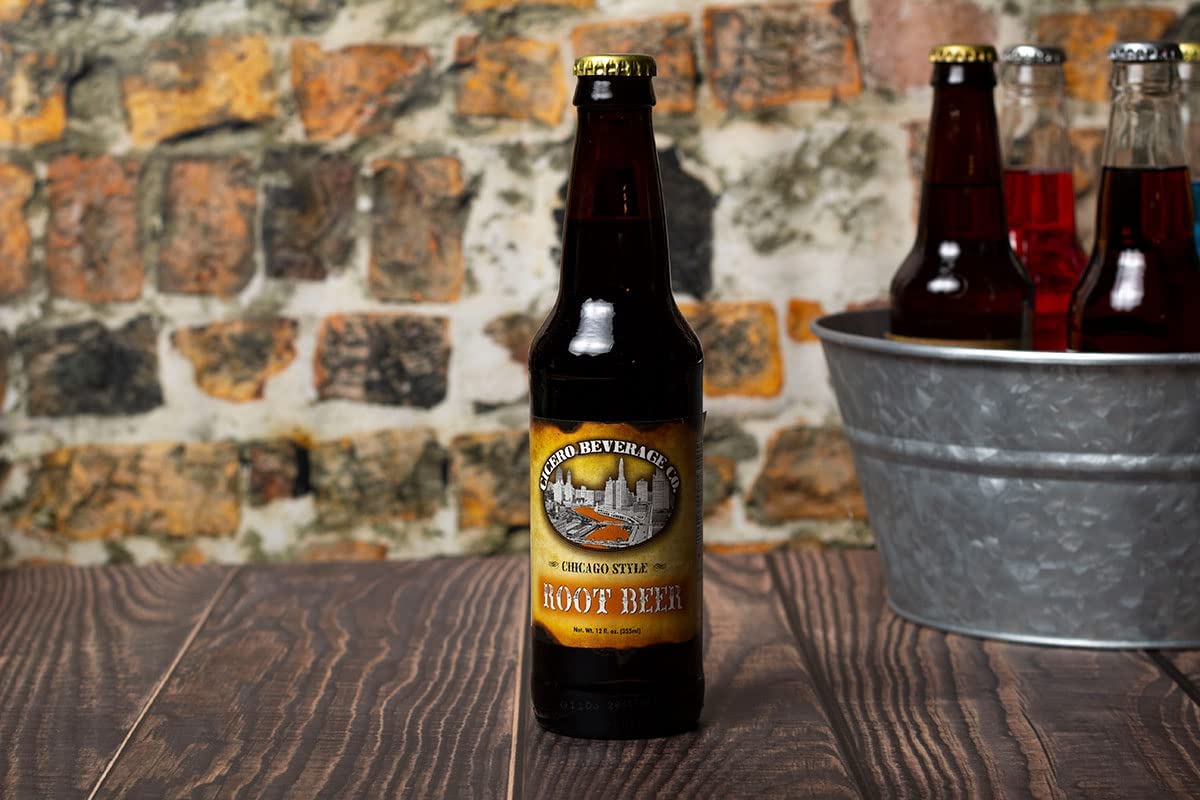
Root beer is one of those drinks that almost everyone has an opinion about but few people have really explored. If your mental image is a can of A&W from a gas station cooler, that’s a completely fair starting point — but it’s also about 10% of the story. Root beer is technically a “botanical soda,” meaning it’s flavored with a blend of roots, barks, herbs, and spices rather than a single fruit concentrate. The classic backbone comes from sassafras root bark flavor (the real thing was banned by the FDA in 1960 due to safrole content, so modern producers use a safrole-free sassafras extract or mimic the profile with other botanicals like wintergreen, anise, and vanilla). The result is a flavor category with enormous range — from simple and sweet to genuinely complex and almost medicinal. Sampler packs, meaning curated multi-bottle assortments that let you try several different brands or styles in one order, are the fastest way to map that range without committing to a case of something you might not love.
This guide is for readers who already know they like root beer and are now trying to figure out which root beers are worth paying craft prices for, and which sampler pack format gives you the best mix of discovery value and cost efficiency. We’ll name tradeoffs directly, show the per-bottle math, and give you a clear decision rule at the end.
Why Flavor Complexity Is the Right Metric — and What It Actually Means
Before ranking anything, it’s worth agreeing on what “flavor complexity” means in practical terms, because it’s the variable that determines whether a $5 bottle feels worth it or overpriced.
In root beer, complexity comes from layered botanical sourcing. A simple root beer hits you with sweetness, a clean wintergreen or vanilla note, and carbonation — and that’s it. A complex root beer has a discernible arc: an opening note (often vanilla or anise), a midpalate where herbal or spiced elements emerge (licorice root, sarsaparilla, birch bark, clove), and a finish that lingers differently than it started — sometimes earthy, sometimes warming, occasionally bitter in an appealing way. The Kitchn’s explainer on root beer flavor construction notes that the best craft producers treat their botanical blends the way serious ginger ale makers treat their heat sources: as something to be tuned and balanced, not just thrown together.
VinePair’s history of root beer in America traces how the category split in the mid-20th century between mass-market producers (who simplified formulas for consistency and cost) and a craft revival that started in the 1990s, accelerated by the same specialty food movement that elevated artisan pickles and small-batch hot sauces. That revival is why we now have producers like Sprecher, Boylan, and Jones using cane sugar instead of high-fructose corn syrup and publishing their botanical ingredient lists the way a craft brewery would describe a hop bill.
Complexity matters practically if you’re buying for cocktail mixing or home entertaining — a flat, one-note root beer makes a mediocre float and a boring dark rum mixer. A layered one can hold its own against aged spirits.
The Sampler Pack Landscape: What’s Actually Available in 2026
Sampler packs in the root beer space fall into roughly three formats:
Single-brand variety samplers — One producer ships you an assortment of their own root beer alongside their other soda flavors (birch beer, cream soda, ginger beer). You’re buying depth into one brand’s range rather than breadth across the category.
Retailer-curated multi-brand packs — Specialty beverage retailers like Beverages Direct and some Amazon-stocked distributors bundle 6–12 bottles from different producers into a single shipment. These are the best format for comparative tasting because you’re getting apples-to-apples evaluation across multiple brands.
Gift-oriented variety cases — These lean decorative (often mix-in-a-crate packaging) and are priced for gifting rather than value. Per-bottle cost tends to run high, but they’re worth knowing about if you’re buying for an event or entertaining context.
By the Numbers: Per-Bottle Cost at a Glance
| Format | Typical Pack Size | Price Range (May 2026) | Per-Bottle Cost |
|---|---|---|---|
| Single-brand variety (e.g., Sprecher) | 12 × 16 oz | $28–$36 | $2.33–$3.00 |
| Multi-brand retailer curated | 12 × 12 oz | $38–$54 | $3.17–$4.50 |
| Gift-oriented variety case | 6–8 × 12 oz | $32–$48 | $4.75–$6.00 |
| Mass-market 12-pack (A&W, Barq’s) | 12 × 12 oz cans | $7–$11 | $0.58–$0.92 |
The mass-market row is there as an anchor. When you’re spending $4+ per bottle on a craft root beer, you’re paying a roughly 5x premium over a supermarket can. That premium is only worth it if complexity and ingredient quality actually deliver — which is the question this guide exists to answer.
Ranked: The Sampler Packs Worth Your Cart
Tier 1 — Best Overall Flavor Complexity Per Dollar
Sprecher Brewing Root Beer 12-Pack
Sprecher, based in Milwaukee, is one of the most consistently praised names in American craft root beer. Serious Eats’ root beer rankings have repeatedly placed Sprecher near the top of the craft category, citing its fire-brewed process (Sprecher uses a gas-fired kettle that they argue creates a deeper caramelization in the cane sugar base) and its unusually pronounced vanilla and honey notes. The botanical profile includes honey, vanilla, and an herbal midpalate that reviewers across multiple outlets describe as “rounded” rather than sharp.
At roughly $28–$32 for a 12-pack of 16 oz bottles through Amazon Subscribe & Save and Beverages Direct, Sprecher clocks in at around $2.33–$2.67 per bottle — making it the best per-ounce value of any craft option we analyzed. Owners consistently report that this is the root beer that converts people who claim not to like root beer, which is a meaningful signal about its approachability alongside its complexity.
Tradeoff to know: Sprecher’s single-brand pack doesn’t expose you to other producers’ approaches. If you’re trying to map the category, pair it with a multi-brand sampler rather than treating it as your only purchase.
[AMAZON_PRODUCT: Sprecher Root Beer 12-Pack]
Tier 2 — Best for Comparative Tasting (Multi-Brand Packs)
Craft Root Beer Variety Packs via Beverages Direct / Amazon Distributors
Multi-brand packs vary in curation quality, but the best ones on the market right now include some combination of the following producers, each of whom brings a distinct flavor profile worth understanding:
-
Boylan Bottling Co. (New Jersey): Cane sugar base, very clean carbonation, wintergreen-forward. Tasting Table’s root beer rankings describe Boylan as the most “classic American diner” root beer in the craft tier — it’s the benchmark for the traditional style.
-
Thomas Kemper (Pacific Northwest): Stronger vanilla presence, slightly lower carbonation, honey sweetness. Food & Wine has highlighted Thomas Kemper as a strong float candidate because the vanilla profile integrates well with ice cream without becoming cloying.
-
Sioux City (Iowa): Bolder and earthier than Boylan, with a pronounced sarsaparilla note that makes it taste distinctly “old West” in the best way. Reviewers note a slightly drier finish than most competitors, which makes it a better cocktail mixer.
-
Virgil’s (California): The most complex botanical bill in the category — Virgil’s publishes a list of 13 herbs and spices including anise, licorice root, vanilla bean, wintergreen, clove, and nutmeg. Food & Wine has called it “the most ambitious root beer on the market” from a formulation standpoint. The complexity is real but so is the polarization: some drinkers find it too herbal, especially if they’re used to sweeter profiles.
A well-curated multi-brand pack that includes three or four of these producers will run $38–$54 for 12 bottles. That’s a real spend, but if you’re trying to develop intuition about which style to stock for entertaining or cocktail mixing, one well-chosen sampler is more educational than buying four separate 6-packs.
[AMAZON_PRODUCT: Craft Root Beer Variety Pack Assorted Brands]
Tier 3 — Best for Gifting and Events
Jones Soda Variety Packs and Curated Gift Cases
Jones Soda occupies an interesting middle position — it’s distributed widely enough to be familiar to most soda drinkers, but it uses cane sugar and publishes cleaner ingredient lists than mass-market brands. Jones root beer reviews consistently note a lighter body and milder botanical profile compared to Sprecher or Virgil’s, which makes it more crowd-pleasing at a party where not everyone is a root beer enthusiast.
Gift-format packs that include Jones alongside a few other brands (cream soda, grape, orange) run $32–$48 for 6–8 bottles. The per-bottle cost is high relative to flavor complexity delivered, but the packaging and brand recognition carry value in a gifting or event context. If you’re building a home bar cart display or putting together a non-alcoholic options spread for an event, Jones gift cases check the aesthetic box efficiently.
Tradeoff to know: You’re paying a packaging premium here. If the goal is pure flavor exploration, Tier 1 and Tier 2 options are better uses of the budget.
[AMAZON_PRODUCT: Jones Soda Variety Pack Gift Case]
The Decision Rule
Here’s how to think about which format actually fits your situation:
If your goal is finding a house root beer to stock regularly — go with Sprecher. The per-bottle value is the best in the craft tier, the profile is complex enough to satisfy enthusiasts but approachable enough for everyone else, and the 12-pack format via Subscribe & Save makes reordering frictionless.
If your goal is building category intuition for cocktail mixing, event planning, or your own palate development — spend up for a multi-brand sampler that includes Boylan (your traditional benchmark), Virgil’s (maximum complexity, tests your botanical tolerance), and Sioux City or Thomas Kemper (divergent style profiles). One $45–$54 multi-pack will teach you more about root beer than six months of buying whatever’s on sale.
If your goal is gifting or home entertaining display — Jones gift cases or a well-packaged specialty retailer curation serve the occasion. Accept the per-bottle premium as a presentation cost rather than a flavor investment, and don’t overthink it.
One more consideration worth naming explicitly: if you’re sourcing for a bar program or boutique retail context, Virgil’s is the label most likely to generate conversations and justify a premium menu price. The 13-botanical bill is a genuinely interesting story to tell at a bar. Boylan is the safer back-bar workhorse. That tradeoff — story value versus operational simplicity — shows up constantly in specialty beverage buying, and root beer is a clean place to practice the decision.
The rabbit hole here is real, but it’s also manageable. Start with one good sampler, compare honestly, and let your own palate — and your customers’ — tell you where to go next.