If you’ve ever reached for a second can of Coke or Pepsi and thought, I really need to stop doing this, you’re in good company — and you’re exactly who this article is for. Over the past few years, a new category of sodas has built a real following among people who want to keep the ritual — cold, carbonated, sweet, satisfying — while cutting back on sugar and actually doing something decent for their gut. These are called prebiotic sodas: drinks that contain prebiotic fiber, a type of plant-based compound that feeds the beneficial bacteria living in your digestive system. They are not probiotic supplements in a can; think of them as a delivery vehicle for ingredients your gut bacteria actually want, wrapped in a format that feels and drinks like a real soda. The three brands getting the most traction right now among switchers — people actively replacing a regular-soda habit — are OLIPOP, Bloom Pop, and the newest entrant, Pepsi Prebiotic Cola. This guide breaks down how they compare on taste, gut-health credentials, sweetener transparency, and whether the price premium is actually worth paying.
| EDITOR'S PICKBloom Pop Prebiotic Soda 12 Pack | Mid-tierOLIPOP Prebiotic Soda Pop | Budget pickLa Croix Sparkling Water | |
|---|---|---|---|
| Pack size | 12 cans | 12 cans | 8 cans |
| Prebiotics | ✓ | ✓ | — |
| Fiber | — | ✓ | — |
| Caffeine | None | — | — |
| Gluten-free | — | ✓ | — |
| Price | $18.99 | $16.13 | $4.39 |
| See on Amazon → | See on Amazon → | See on Amazon → |
What You’re Really Comparing (And Why It Matters)
When you’re switching from regular soda, you’re managing three variables simultaneously:
- Taste satisfaction — Does it actually scratch the itch, or does it feel like a punishment?
- Digestive experience — Does the prebiotic fiber cause bloating, or does it behave itself?
- Sweetener profile — Because a significant share of switchers are leaving diet soda too, not just regular, and artificial sweeteners are a dealbreaker for that group.
These three variables don’t rank the same way for every buyer, and that’s exactly why this category has splintered into distinct winners for distinct use cases.
By the Numbers
| Brand | Fiber per Can | Calories (approx.) | Artificial Sweeteners? | Price Range (per can) |
|---|---|---|---|---|
| OLIPOP Vintage Cola | 9g | 35 | No | $2.50–$3.00 |
| Bloom Pop | 5g | 25–30 | No | $2.00–$2.50 |
| Pepsi Prebiotic Cola | 3g | 70–80 | No (sucrose + chicory) | $1.80–$2.20 |
Figures drawn from published product nutrition labels as of early 2026; per-can pricing reflects multipack averages across major online retailers.
The Three Contenders, Compared in Depth
OLIPOP Vintage Cola
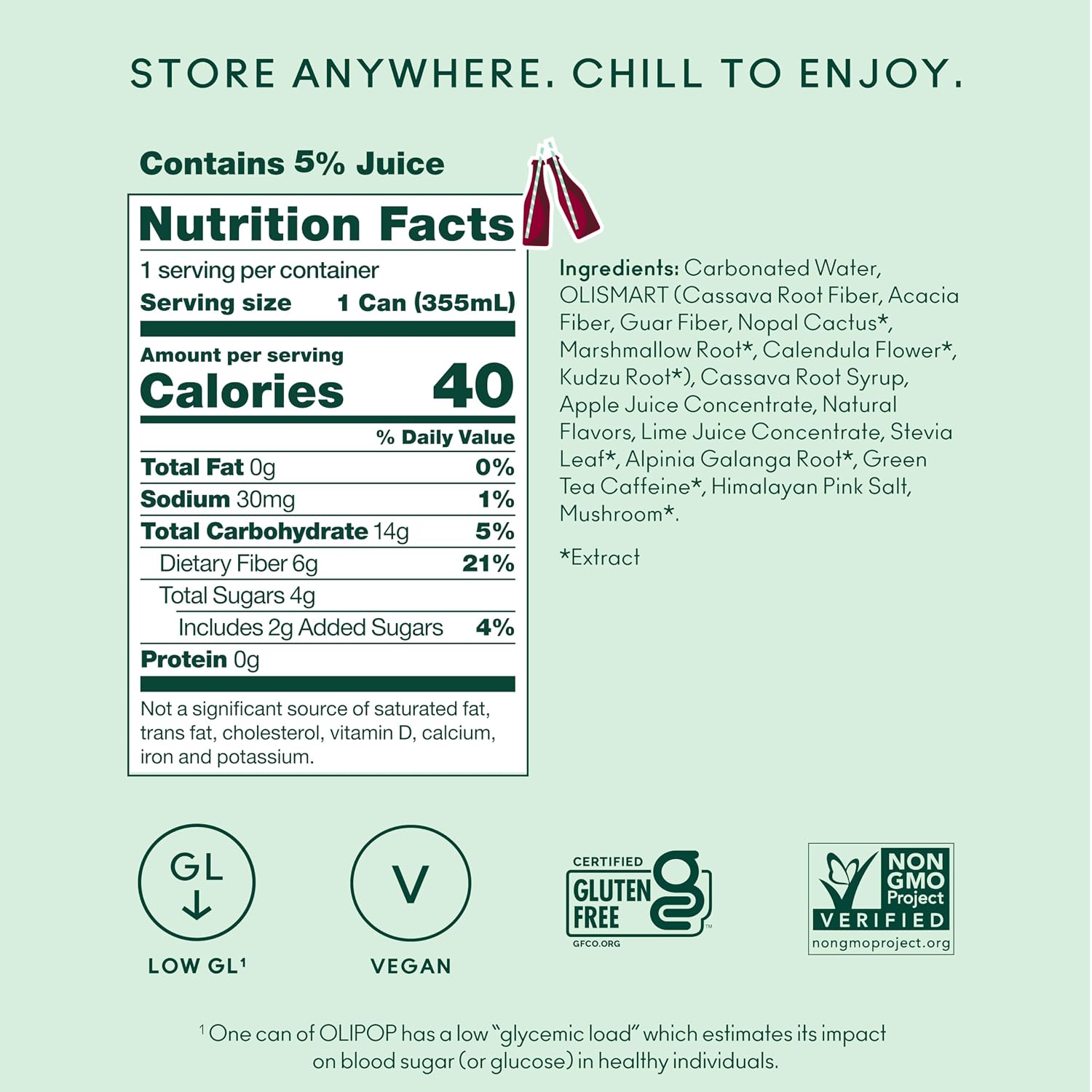
OLIPOP has a head start on this conversation, and Vintage Cola is the SKU that built its reputation in the switcher segment specifically. Across aggregated buyer reviews, the most common word used by Coca-Cola drinkers who switched to OLIPOP is “surprised” — surprised that something with 35 calories and 9 grams of prebiotic fiber tastes close enough to the real thing to genuinely replace it day-to-day.
The fiber blend is worth understanding. OLIPOP uses a combination of chicory root inulin, Jerusalem artichoke, nopal cactus, and cassava root fiber, per the brand’s published formulation disclosures. This is a deliberately layered approach. The International Scientific Association for Probiotics and Prebiotics, in their consensus statement titled “Prebiotics: Definition and Criteria,” notes that combining multiple fiber types can support a broader range of gut bacteria strains than a single-source formula. Whether that translates to a measurable health outcome in the quantities delivered per can is a separate question — and Bon Appétit, in their feature “Are Prebiotic Sodas Actually Good for You?”, cautions that researchers advise against treating any single beverage as a complete gut health intervention — but the formulation rationale is consistent with published prebiotic science.
On taste: reviewers consistently describe the cola note as softer and more vanilla-forward than Coke or Pepsi, with less of the sharp phosphoric acid bite. Some switchers love this; a minority find it slightly flat compared to the original. The carbonation level reads as moderate — lively but not aggressive. Critically for the artificial-sweetener-averse crowd, OLIPOP uses stevia and cassava syrup rather than aspartame or sucralose, and multiple verified buyers specifically cite the absence of artificial sweeteners as the reason they stuck with it after trying other functional sodas.
Honest tradeoff: OLIPOP sits at the higher end of the per-can price range in this comparison. For daily-driver use, that math adds up fast. Buyers who find Vintage Cola works for them often migrate to multipack subscriptions to manage the cost.
Best for: Former Coke or Pepsi drinkers who want the highest fiber dose, no artificial sweeteners, and can accept a slightly softer cola flavor in exchange.
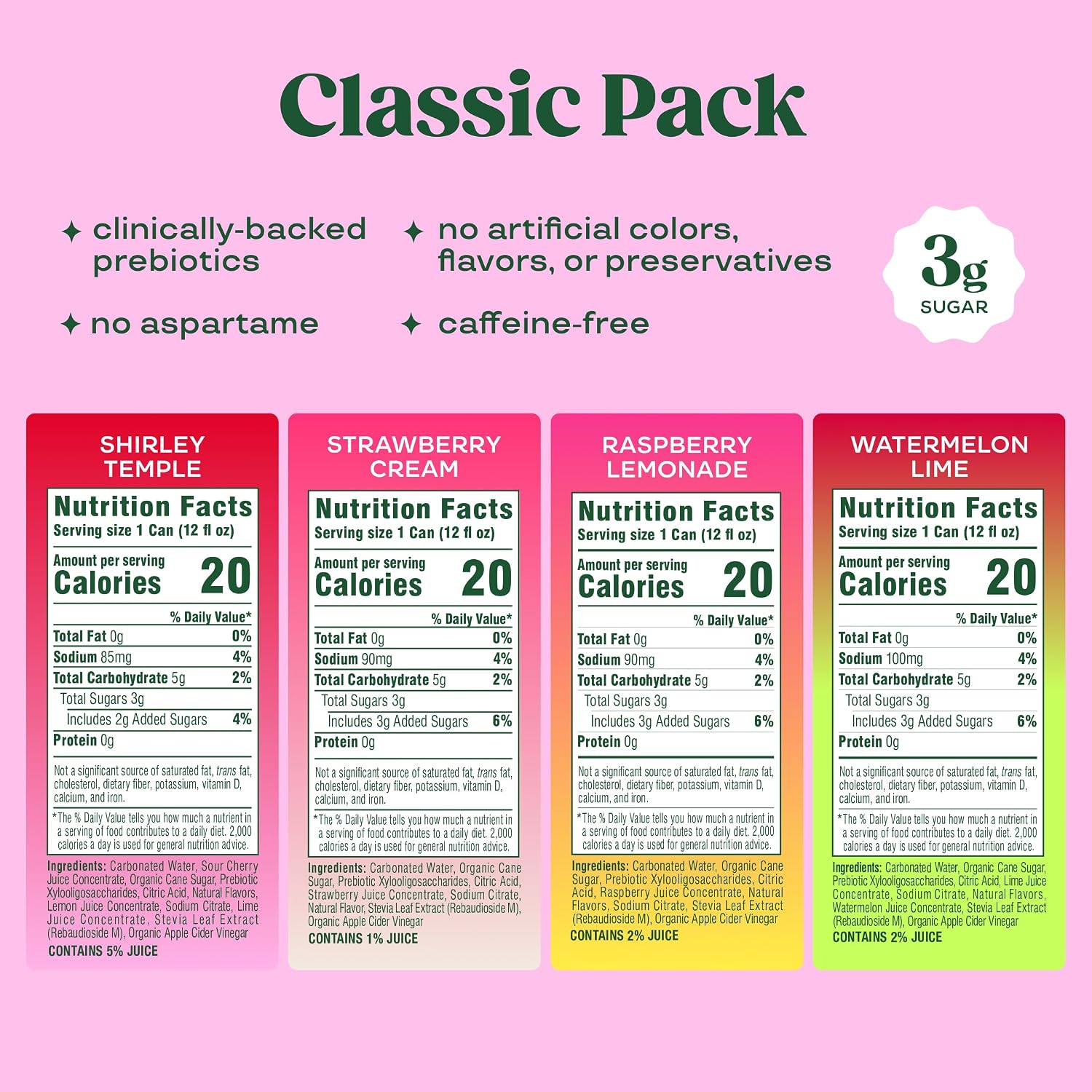
Bloom
$18.99
In stock on Amazon
Check price on AmazonBloom Pop
Bloom Pop is a younger brand with a narrower review base, but the reviews it does have are notably specific about why people chose it — and that specificity is useful. Two themes dominate: the no-bloat experience and the family-friendly positioning.
On the bloat question: prebiotic fiber has a legitimate concern baked into the category. Higher-dose inulin in particular can cause gas and digestive discomfort in people who aren’t accustomed to regular fiber intake — a tolerance issue addressed in the International Scientific Association for Probiotics and Prebiotics’ consensus statement “Prebiotics: Definition and Criteria,” which discusses prebiotic dosing and safety considerations. At 5 grams per can, Bloom Pop sits in a moderate range — meaningfully above Pepsi Prebiotic but below OLIPOP’s 9 grams. Several reviewers who had experienced bloating with OLIPOP describe Bloom Pop as the option that resolved that problem. The pattern across reviews is consistent enough to take seriously, even though individual responses to fiber vary.
Tasting Table’s roundup coverage of prebiotic sodas notes that lighter, fruit-forward profiles in this category tend to earn strong marks for drinkability among buyers who are not committed to cola flavor specifically. Bloom Pop fits that description: it leans fruity and sessionable rather than cola-forward, which means it is not the right call if you need the cola taste specifically, but it earns strong marks as a pleasant fizzy drink with a functional upside. The family angle matters for a specific buyer: households where adults are switching from regular soda but also need something they can hand to a child without concern. Bloom Pop is caffeine-free per label disclosure, and it uses a simple sweetener profile without artificial additives, making it the most straightforward option for caffeine-sensitive adults and children sharing a household refrigerator.
Honest tradeoff: If cola flavor fidelity is your primary metric, Bloom Pop is not competing on that dimension. It positions itself as a better-for-you fizzy drink more than a cola substitute. That is a meaningful distinction worth knowing before you order.
Best for: Households with mixed ages and caffeine sensitivities, or buyers who want prebiotic fiber in a lighter, fruit-forward format without digestive friction.
OLIPOP
$16.13
In stock on Amazon
Check price on AmazonPepsi Prebiotic Cola
Let’s be direct about the review landscape here, because it is more fractured than the other two brands and the fracture is meaningful.
Pepsi Prebiotic Cola has generated some of the most enthusiastic positive reviews in this category — verified buyers who describe it as the closest large-brand bridge to their existing Pepsi habit. It has also generated some of the most negative, including reviewers who describe a pronounced off-flavor that reads as chemical or bitter. This is not a case of moderate, slightly-mixed reactions. This is genuine polarization, and it points to something real about the product’s formulation.
The most plausible explanation, based on review patterns, is that flavor sensitivity to sucrose-chicory sweetener combinations varies significantly between individuals. Pepsi Prebiotic uses a combination of cane sugar and chicory root fiber rather than a stevia-based system, which gives it a higher calorie count (70–80 per can) and a different sweetness profile than OLIPOP or Bloom Pop. For some palates, this reads as more cola-like and familiar. For others, the chicory’s mildly bitter, earthy aftertaste interacts poorly with the base cola flavoring and produces the kind of off-note that drives a one-star review.
VinePair’s coverage of the functional soda category positions products like Pepsi Prebiotic as mainstream bridge offerings — something a longtime soda drinker can pick up at a grocery store with minimal behavior change required. That strategic goal explains the lower fiber dose (3 grams), the higher-calorie sweetener approach, and the wide retail distribution. It is a different ambition than OLIPOP’s or Bloom Pop’s, and buyers evaluating it on prebiotic potency alone will find it the least compelling of the three.
One consistently useful data point from buyers who sampled multiple Pepsi Prebiotic varieties: the Cherry Vanilla variant outperforms the plain cola across reviews. The cherry and vanilla notes appear to mask the chicory aftertaste more effectively than the base cola flavor does. If you are curious about Pepsi Prebiotic, Cherry Vanilla is the more defensible entry point based on aggregated buyer experience.
Honest tradeoff: The lowest fiber dose of the three and the highest calorie count, with a taste reaction that is genuinely split. The price per can is the lowest, and grocery availability is the broadest, which matters for buyers who want to try the category without a specialty order.
Best for: Existing Pepsi drinkers who want the smallest possible behavioral change and are willing to experiment with flavor variants to find one that works for their palate.
La
$4.39
In stock on Amazon
Check price on AmazonFrequently Asked Questions
Does OLIPOP Vintage Cola actually taste like real Coca-Cola? Close, but not identical — and most regular reviewers are upfront about this. The cola flavor is present and recognizable, but it is softer, less acidic, and more vanilla-forward than Coke. Buyers who describe themselves as former Coke drinkers overwhelmingly say it works as a substitute; buyers looking for a perfect 1:1 replica generally report it falls slightly short. The honest framing is: it is a very good approximation, not a counterfeit.
Is Bloom Pop safe for kids and caffeine-sensitive people? Based on published label information, Bloom Pop is caffeine-free and does not contain artificial sweeteners or stimulants. Reviewers specifically mention giving it to children and using it as a shared household soda. As with any functional food product, parents should check current label details before serving to young children, but the ingredient profile is clearly aimed at broad household use.
Why do some reviewers strongly dislike Pepsi Prebiotic Cola while others love it? The divide appears to come down to individual sensitivity to chicory aftertaste. Chicory root fiber has a mildly bitter, earthy quality that some palates detect strongly and others barely notice. The plain cola flavor does less to mask it than the Cherry Vanilla variant does, which is why Cherry Vanilla consistently earns better marks from buyers who sampled both.
Do any of these sodas cause bloating or digestive discomfort? Prebiotic fiber can cause gas and bloating, particularly at higher doses and for people not accustomed to regular fiber intake. The International Scientific Association for Probiotics and Prebiotics addresses this directly in their consensus statement “Prebiotics: Definition and Criteria.” OLIPOP’s 9-gram dose is the highest of the three and the most likely to cause issues in sensitive individuals. Bloom Pop’s 5-gram dose sits in a middle range where reviewers report fewer problems. Pepsi Prebiotic’s 3-gram dose is the most conservative. If you have IBS or known fiber sensitivity, starting at the lower end makes practical sense.
How much prebiotic fiber per can actually matters for gut health? Most published research on meaningful prebiotic benefit uses daily doses in the 4–8 gram range, per guidance discussed in the International Scientific Association for Probiotics and Prebiotics’ consensus statement “Prebiotics: Definition and Criteria.” OLIPOP’s 9 grams per can exceeds that threshold in a single serving; Bloom Pop’s 5 grams meets it; Pepsi Prebiotic’s 3 grams represents a partial dose. Bon Appétit’s feature “Are Prebiotic Sodas Actually Good for You?” notes that researchers caution against treating any single food product as a complete gut health solution — these sodas work best alongside a diet that already includes vegetables, legumes, and whole grains.
Are these sodas worth the price premium over regular zero-sugar sodas? If your goal is strictly fewer calories, a standard zero-sugar soda costs less and accomplishes that. The premium on prebiotic sodas pays for the fiber content and — critically for a large share of this audience — the absence of artificial sweeteners. If neither factor matters to you, the premium is hard to justify on taste alone. If you are specifically trying to avoid aspartame or sucralose while getting functional fiber, the price gap becomes more defensible, especially in multipack formats.
The Decision Rule
If you need cola flavor fidelity above everything else and you are a former Coke drinker: OLIPOP Vintage Cola is the evidence-backed starting point. The higher per-can price is the main friction; multipack pricing softens it considerably.
If you need a household soda that works for kids, caffeine-sensitive adults, and gut-health-conscious buyers simultaneously: Bloom Pop is the lowest-friction choice, with the caveat that it is not trying to replicate cola flavor.
If you are already a Pepsi drinker and want the smallest behavioral change possible: Pepsi Prebiotic is the most accessible entry point — but start with Cherry Vanilla before the plain cola, and know going in that the taste reaction is genuinely split among buyers.
One universal recommendation across all three: give your chosen option at least two weeks before deciding. Reviewers who stuck with any of these brands consistently report that taste preference adjusts as the craving for hyper-sweet regular soda recedes. The first can is rarely the most accurate data point.