If you’ve ever cracked open a full 12-ounce can of soda only to feel vaguely guilty halfway through, mini cans are the format that was made for you. A mini can — sometimes called a “mini” or “7.5 oz can,” referring to the smaller 7.5-fluid-ounce size compared to the standard 12-ounce format — gives you a complete, satisfying soda experience at about 62% of the volume. Variety packs take that a step further: instead of buying a full case of one flavor, you get an assortment of flavors (Coke, Sprite, Fanta Orange, and so on) bundled together, which is ideal for households with different preferences or for stocking a home bar with mixers. This guide compares the major mini-can variety packs from Coca-Cola, Pepsi, and Fanta so you can make a confident call on which one belongs in your next order.
Whether you’re here because you’re managing your sugar intake, planning a party, setting up a home mini-fridge, or just curious whether the smaller size is actually worth the price premium — you’ll have a clear answer by the end of this article.
What You’re Actually Buying: Format and Value Breakdown
Let’s get the math on the table first, because it shapes every decision downstream.
By the numbers:
- Standard 12 oz can: typically $0.35–$0.55 per can in a 24- or 36-count multipack
- Mini 7.5 oz can: typically $0.55–$0.75 per can in a 10- or 24-count pack
- Per-ounce cost, standard: ~$0.03–$0.05/oz
- Per-ounce cost, mini: ~$0.07–$0.10/oz
You are paying a meaningful per-ounce premium for the mini format — roughly 60–100% more per ounce depending on the pack size and retailer. That’s the tradeoff you need to be honest with yourself about before buying. If pure volume value is the goal, a standard multipack wins every time. But if portion control, variety, or convenience is the actual job you’re hiring the product to do, the math shifts.
Consumer Reports’ 2024 survey on portion size and beverage consumption habits found that a significant share of respondents who switched to smaller-format beverages reported consuming fewer total calories per day from drinks — not because the smaller cans taste worse, but because the defined end-point of a smaller container reduces the unconscious tendency to keep drinking. The can runs out; you stop. That behavioral nudge has real value that per-ounce math doesn’t capture.
For home entertainers and boutique bar buyers, the variety-pack format also solves a practical stocking problem: guests with different flavor preferences can each grab what they want from one shared pack, and you don’t end up with twelve half-drunk cans of a flavor nobody loved.
The Three Major Mini-Can Variety Packs Compared
Each of the three main players in the mini-can variety pack space serves a distinct buyer. The sections below break them down individually, with a tier designation for each to help orient your decision.
Coca-Cola Mini Can Variety Pack: The Broadest Household Coverage
The Coca-Cola mini can lineup is the most developed in this space. The flagship offering is the Coca-Cola Mini Can Variety Pack (24-count), which includes Classic Coke, Coke Zero Sugar, Diet Coke, and Sprite — the four flavors that cover the widest range of household preferences and mixer use cases.
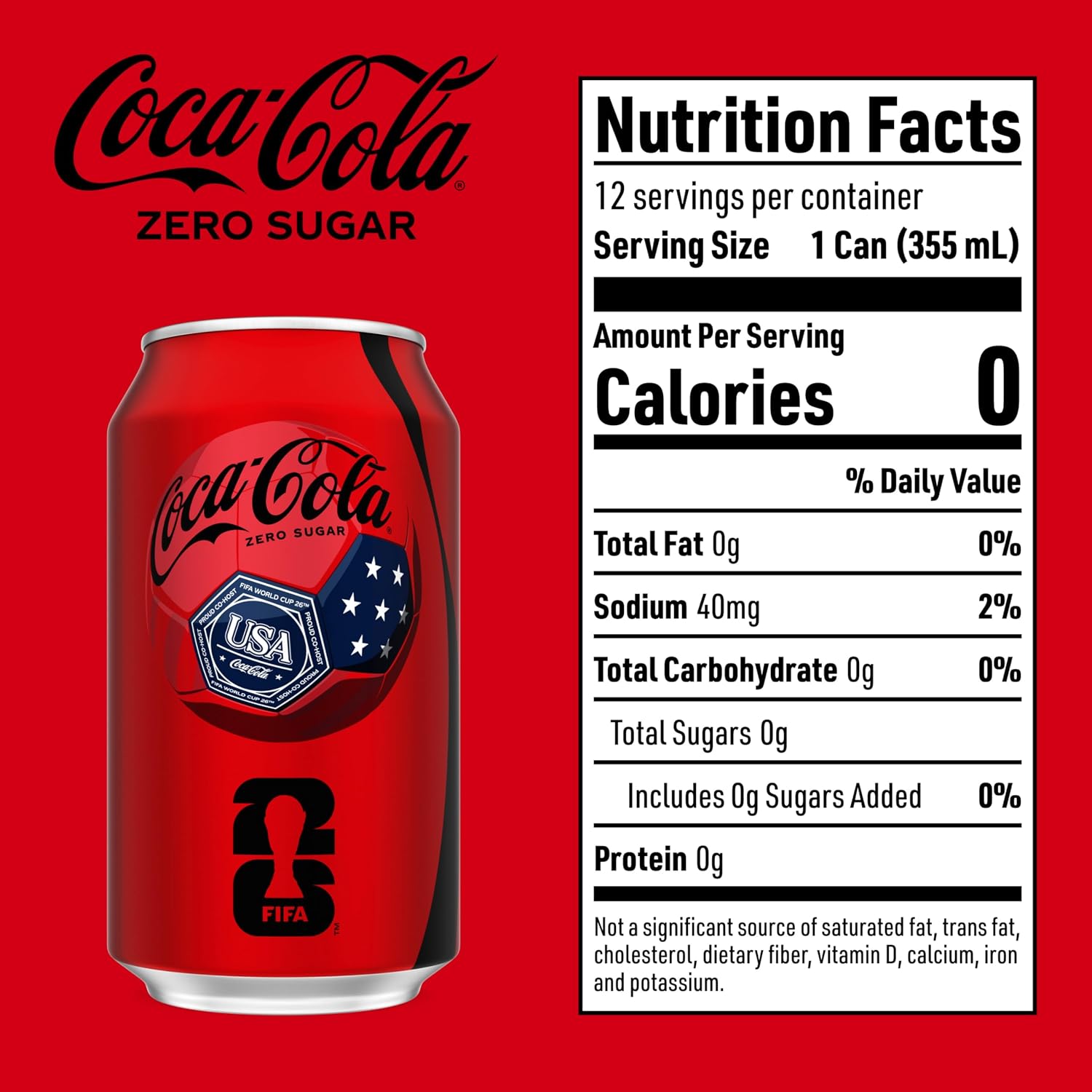
Aggregated buyer feedback consistently frames the Coke variety 24-pack as a reliable Subscribe & Save staple. Owners report that the Coke Zero Sugar minis in particular skew toward buyers actively managing blood sugar or monitoring carbohydrate intake — and the pattern across reviews is striking: people describe it not as a compromise but as a genuinely satisfying option that doesn’t feel like a sacrifice. For that buyer, the mini format has an added benefit: a single 7.5 oz Coke Zero Sugar is a complete treat with zero sugar and manageable caffeine (around 21mg, compared to roughly 34mg in a standard 12 oz can).
Wirecutter’s 2025 guide to sodas for home entertaining notes that the Coca-Cola variety format is among the most versatile options for mixed-preference households, specifically praising the inclusion of both regular and zero-sugar options in a single pack. That editorial endorsement aligns with the buyer feedback pattern: if your household has divergent preferences, the Coke 24-count covers more ground than any competing pack.
If you’re deciding between the Coca-Cola 24-count variety pack and buying individual 10-packs of each flavor separately: the 24-count generally wins on per-can unit economics, but the 10-packs let you control the flavor ratio. If your household is 80% Coke Zero Sugar drinkers with one Classic Coke holdout, building your own assortment from 10-packs is smarter. If everyone’s preferences are roughly equal, the 24-count is the better value.
Coca-Cola
$8.42
In stock on Amazon
Check price on AmazonFanta Mini Can Variety Pack: The Flavor-Forward Option With a Caveat
The Coca-Cola Fanta Mini Can Variety Pack exists as a separate SKU from the core Coke assortment, and it deserves its own section because it carries a distinct buyer profile — and a distinct risk pattern worth knowing before you order.
Fanta minis appeal most strongly to households with younger drinkers, party hosts looking for a visually vibrant assortment, and buyers who want non-cola flavors (Orange, Grape, Strawberry) as part of their entertaining spread. The flavors are genuinely distinctive from the cola-anchored Coke variety pack, and for the right buyer, that differentiation is exactly the point.
The caveat: multiple buyers report that Fanta mini cans arrive with visible denting, crushed sidewalls, or misshapen can bodies. Several reviewers have documented this with photos. The working explanation among buyers is that Fanta minis are packed with less protective void-fill than the flagship Coke variety packs, leaving them more vulnerable to warehouse pressure and last-mile handling. If you’re buying for a gift, an event, or any situation where presentation matters, the Fanta-heavy packs carry more arrival-condition risk than the core Coke variety pack. For everyday household use where a dented can is just a dented can, the risk is lower.
Tasting Table’s 2025 mini can roundup notes that fruit-flavored soda minis generate more enthusiasm in blind tastings among consumers who typically find cola formats repetitive — which is the clearest signal for who the Fanta variety pack is actually for.
Pepsi
$5.97
In stock on Amazon
Check price on AmazonPepsi Mini Can Variety Pack: The Cola-Loyal Alternative
Pepsi’s mini can lineup centers on the Pepsi Mini Cans Variety Pack, which typically includes Pepsi, Diet Pepsi, and Wild Cherry Pepsi. For Pepsi loyalists and for bar setups where Pepsi is the house cola, it covers the bases cleanly.
The honest caveat here is the Wild Cherry Pepsi arrival issue. Across aggregated reviews, Wild Cherry Pepsi mini cans generate a noticeably higher rate of reports involving leaking cans on arrival — not denting, but actual liquid loss, suggesting a seaming or pressure issue that appears more often in this SKU than in the plain Pepsi minis. If you’re ordering Wild Cherry Pepsi minis, treat the arrival inspection as a real step, not a formality. Document any leaking cans with photos immediately and contact retailer customer service before discarding damaged product.
There’s also an accessibility consideration worth naming directly. Buyers managing mobility impairments have flagged delivery placement as a real friction point — drivers leaving heavy soda cases on a lawn or far from the door creates genuine difficulty for buyers who depend on accurate doorstep delivery. If this applies to you, using the delivery instructions field at checkout and reviewing carrier notes carefully is worth the extra minute.
For extended-session use cases — gaming, streaming, long work-from-home days — Pepsi minis and Mountain Dew mini cans (available as a standalone pack rather than in the core Pepsi variety assortment) come up consistently in buyer communities as a controlled-intake format. The defined volume of a mini can functions as a natural stopping point, which matters when you’re several hours into a session and ambient consumption is easy to lose track of.
Coca-Cola
$8.89
In stock on Amazon
Check price on AmazonFlavor, Carbonation, and the “Does It Taste Different?” Question
This comes up constantly in mini-can reviews, and it deserves a direct answer grounded in what published sources actually say.
Serious Eats’ 2024 examination of how can size affects carbonation and flavor perception addresses this directly: the liquid-to-headspace ratio in a smaller can is slightly different, and the surface-area-to-volume ratio means the drink may feel marginally crisper or more effervescent to some drinkers. However, the formulation is identical — Coca-Cola Classic in a 7.5 oz can uses the same syrup ratio and carbonation target as the 12 oz version. The perceived difference, where it exists, is more likely attributable to the fact that you’re drinking the mini cold throughout (it doesn’t warm up as much before you finish it) rather than any actual formula change.
Tasting Table’s 2025 mini can soda roundup echoes this finding: tasters blind-comparing standard and mini cans of the same soda found no significant flavor difference, but several preferred the experience of the mini format because it felt like “just the right amount.” That subjective sense of completeness — finishing a container rather than abandoning a half-drunk can — is part of what makes the format work behaviorally, independent of any taste difference.
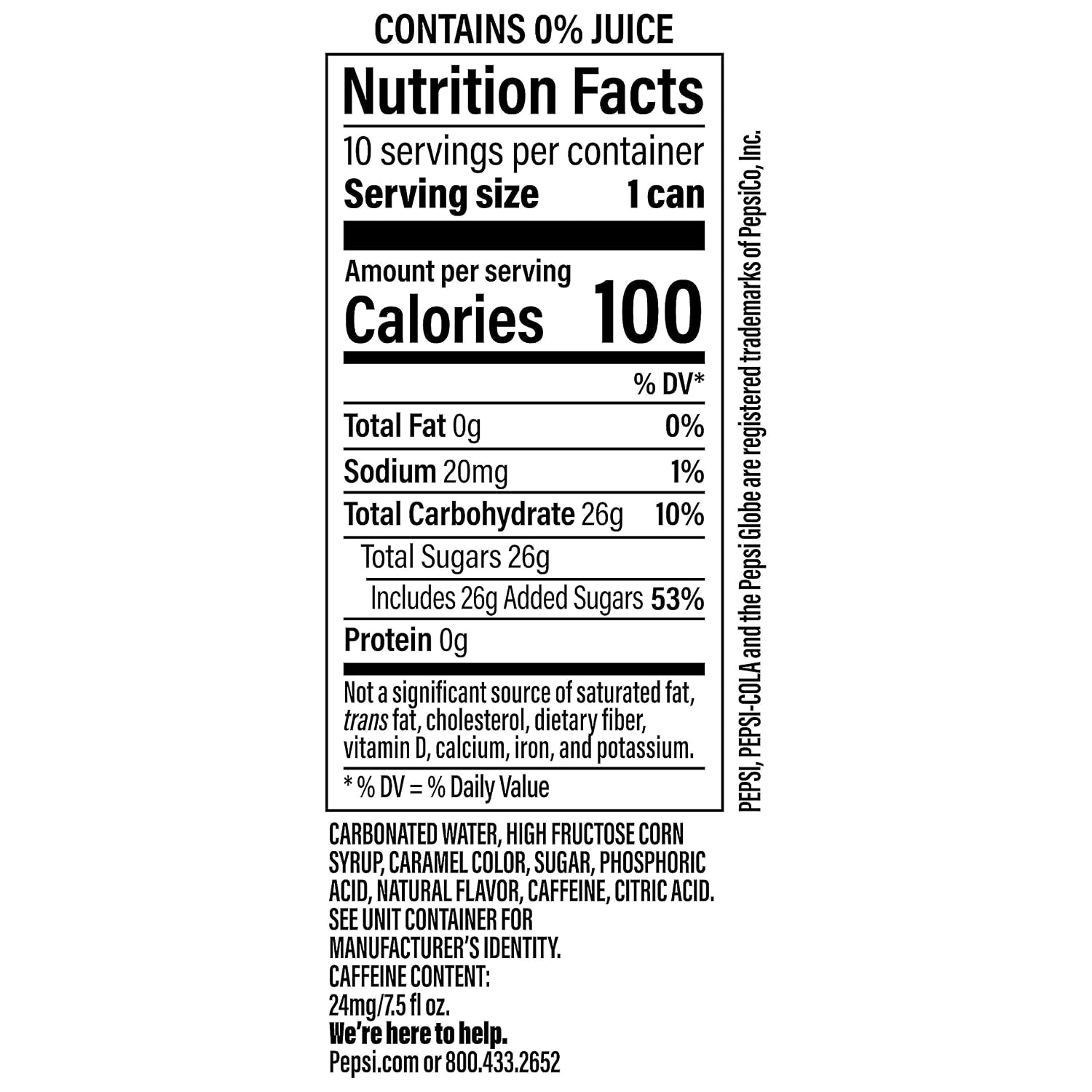
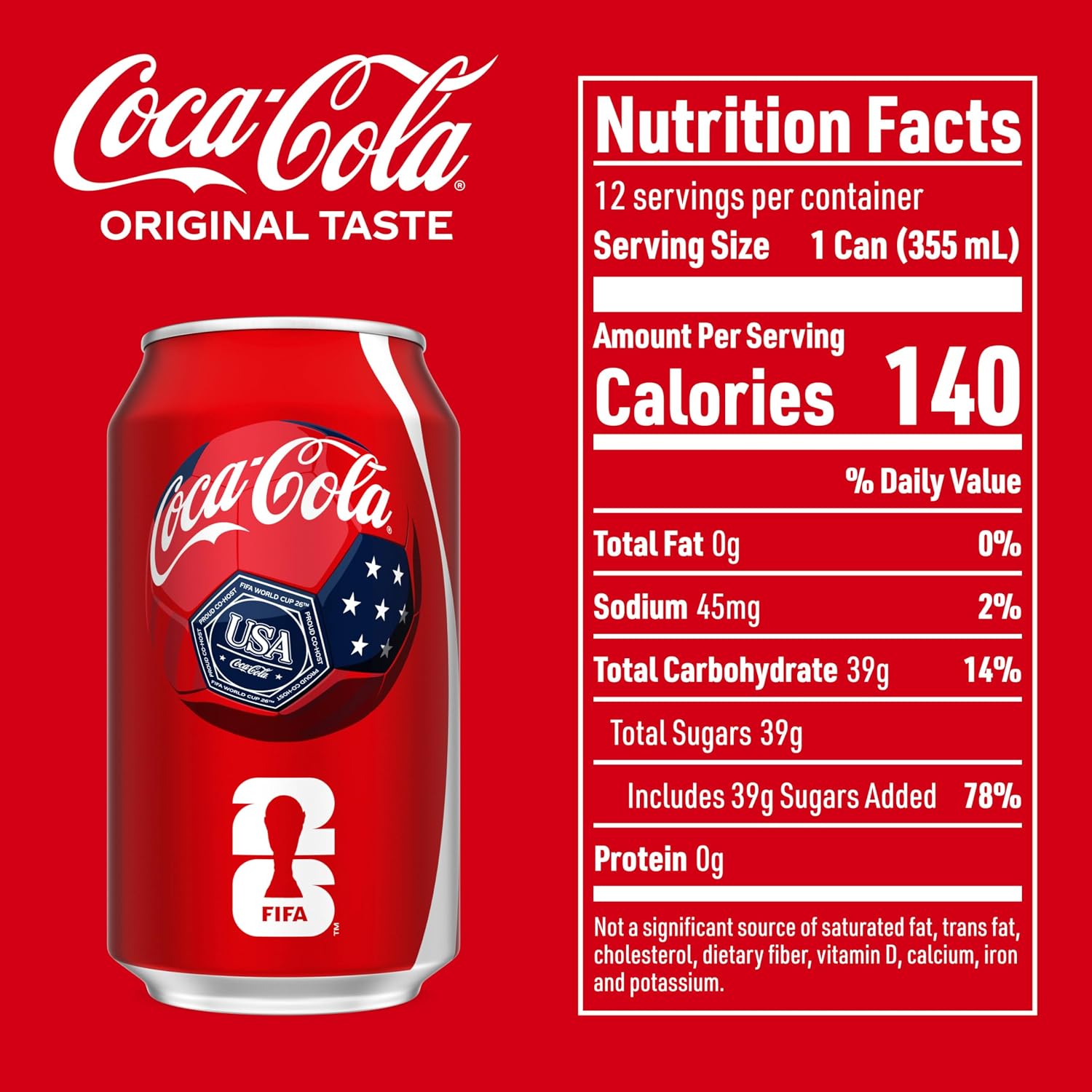
If you’re managing sugar intake, mini cans of Classic Coke contain roughly 25g of sugar versus 39g in a standard 12 oz — a meaningful reduction if you’re tracking. For caffeine monitoring, the math is proportional: a 7.5 oz Coke contains approximately 21mg of caffeine versus 34mg in a standard can.
Frequently Asked Questions
Does the 7.5 oz size taste different from a standard 12 oz can? The formula is identical. Per Serious Eats’ carbonation and flavor analysis, any perceived difference is most likely due to the drink staying colder throughout a shorter drinking session, not a change in recipe. Most side-by-side reviewers report no meaningful taste difference.
Are mini cans worth the per-ounce price premium over regular packs? Only if the smaller format is doing a job that matters to you — portion control, variety, reduced sugar per serving, or entertainment convenience. The per-ounce cost is 60–100% higher than standard cans. If you’re buying purely for volume value, standard multipacks are the better call.
Which mini can format is best for people watching sugar or caffeine intake? Coke Zero Sugar minis are the standout pick here. Owners managing blood sugar consistently describe them as satisfying without sacrifice. Diet Pepsi minis serve the same function for Pepsi drinkers. For caffeine specifically, the proportionally lower per-can caffeine in any 7.5 oz mini (versus a standard can) makes the format naturally friendlier for intake monitoring.
What should I do if mini cans arrive dented or leaking? Document the damage with photos immediately on receipt. Contact the retailer’s customer service with those photos — most major platforms have a straightforward damaged-goods replacement or refund process for sealed beverage orders. Do not attempt to drink from a can with a compromised seam. For repeat orders of Fanta minis or Wild Cherry Pepsi minis specifically, leaving delivery instructions requesting careful placement can reduce handling damage at the last mile.
Is the Coca-Cola 24-count variety pack a better value than buying individual flavor 10-packs? For most households, yes — the 24-count offers a lower per-can cost and covers four flavors in one order. The exception is households with strong flavor skew: if you know you’ll drink 80% of one flavor and tolerate the rest, building your own assortment from 10-packs gives you better control over what actually gets consumed before it goes flat or stale.
Are mini cans available on Subscribe & Save? Yes. The Coca-Cola Mini Can Variety Pack is one of the more popular recurring soda orders in the category, and buyers consistently recommend it as a subscription item for households that consume them steadily. Pepsi variety packs are also available on subscription. Subscription pricing typically shaves an additional 5–15% off the already-discounted multipack price, which partially offsets the per-ounce premium versus standard cans.