If you’ve ever opened a full 12-ounce can of soda, taken a few sips, and then watched the rest go flat on your desk, mini cans were basically invented for you. A mini can — typically 7.5 ounces, though some formats run as small as 6 ounces — delivers the same carbonated drink in a smaller vessel, so you finish it before the fizz dies and you don’t feel obligated to power through more than you wanted. They’ve been around for years as a quiet convenience option, but the format has exploded in popularity on subscription platforms as buyers realize they’re genuinely useful for kids, office settings, portion-conscious adults, and party planning. This guide breaks down the major mini-can formats available in 2026 — single-flavor 10-packs versus variety 24-packs, flagship brands versus flavored variants — and tells you exactly which one makes sense depending on your situation. If you’re already familiar with the category, skip ahead to the comparison sections; if you’re newer to buying in bulk online, the math we show will help you make a confident first call.
The Core Decision: Single-Flavor 10-Pack vs. Variety 24-Pack
The mini-can market on subscription and multipack platforms splits cleanly into two purchasing formats, and choosing the wrong one for your household is the most common buyer mistake.
Single-flavor 10-packs — the Pepsi Wild Cherry mini cans, Mug Root Beer mini cans, and Fanta mini cans are the clearest examples — are purpose-built for households that have already figured out what they like. They ship as a simple slab, they’re easy to rotate through on Subscribe & Save, and they give you a predictable per-unit cost. The tradeoff is obvious: if one person in your house dislikes root beer, you’re stuck with root beer.
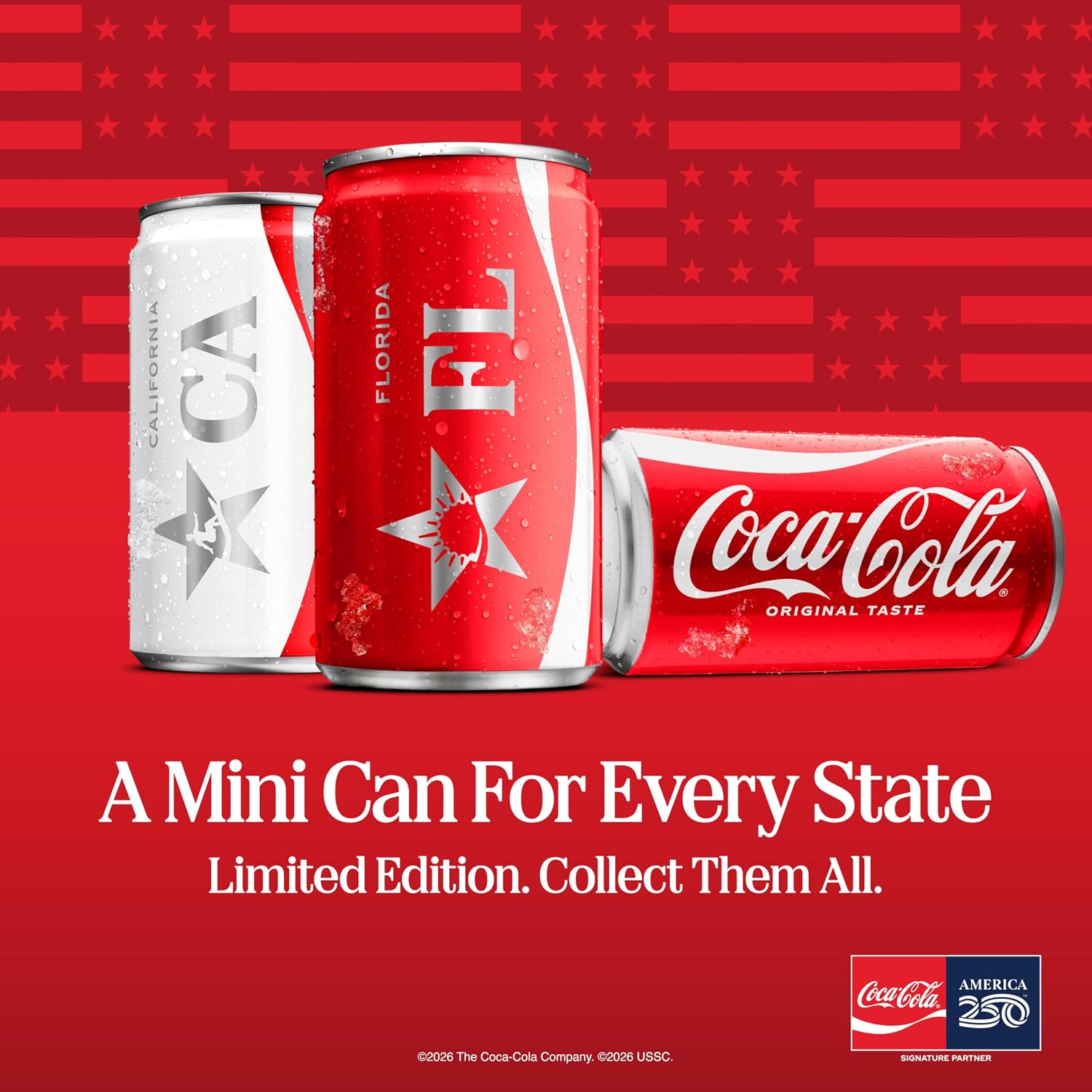
Variety 24-packs — the Coca-Cola mini-can variety pack being the flagship example — solve the preference problem by bundling several flavors (typically Coke, Diet Coke, Sprite, and Coke Zero Sugar in roughly equal splits). Reviewers consistently flag these as their go-to for office kitchens and home entertaining, and the pattern in aggregated Amazon verified purchaser reviews is clear: buyers describe them as “a little pick-me-up” without the commitment of a full can, which maps directly to office settings where you want optionality without waste.
By the Numbers
| Format | Typical count | Approx. oz per can | Flavors included | Best use case |
|---|---|---|---|---|
| Coca-Cola Variety 24-pack | 24 | 7.5 oz | 4 (Coke, Diet, Zero, Sprite) | Office, entertaining, gifting |
| Pepsi Wild Cherry 10-pack | 10 | 7.5 oz | 1 | Households with a declared preference |
| Mug Root Beer 10-pack | 10 | 7.5 oz | 1 | Kids, float-night regulars |
| Fanta 10-pack (assorted) | 10–12 | 7.5 oz | 1–2 | Kids, fruit-soda households |
| Mountain Dew 10-pack | 10 | 7.5 oz | 1 | Gaming sessions, single-flavor loyalists |
Flavor by Flavor: What Buyers Actually Report
Coca-Cola Variety 24-Pack — The Office and Entertaining Standard
This is the format most reviewers treat as a “set it and forget it” Subscribe & Save staple. Aggregated verified purchaser reviews from 2024–2025 show a consistent theme: office workers and home hosts appreciate the variety because it eliminates the internal negotiation of who wants what. Nobody has to open a full can and leave half of it to go flat.
The premium over a single-flavor 10-pack is real — you’re paying more per ounce than you would buying a single-flavor format in bulk — but for most buyers the optionality is worth it. If you routinely have guests, mix sodas into cocktails (Sprite as a mixer, Coke Zero with a shot of bitters), or stock a home bar refrigerator, the variety pack earns its keep quickly.
One practical note: the variety 24-pack’s larger, denser box dimensions tend to fare well in transit compared to smaller single-flavor slabs, based on shipping-damage patterns in verified reviews. No format is immune to rough handling, but a heavier, tighter pack tends to arrive more intact.
Coca-Cola
$6.94
In stock on Amazon
Check price on AmazonPepsi Wild Cherry Mini Cans — The Kid-Sized Single-Flavor Option
Pepsi Wild Cherry has one of the more specific buyer profiles in the mini-can category. Verified purchaser reviews from 2024–2025 consistently mention children who “cannot drink a big one at one time” — this phrase or close variants appear across multiple reviews, and it’s telling. The 7.5-ounce format is sized almost perfectly for a child who wants a real soda experience without the volume or sugar load of a full can.
The complaint worth taking seriously: shipping damage. Multiple verified purchasers in the 2024–2025 period described dented cans with enough metal deformation that they declined to drink them. This appears to be a pack-construction issue with this particular SKU’s outer carton rather than a sign of a bad product. If you’re ordering Pepsi Wild Cherry mini cans, Subscribe & Save fulfillment tends to produce more consistent handling than one-off orders, and inspecting the box on arrival before opening any cans is a worthwhile habit.
Mountain
$6.42
In stock on Amazon
Check price on AmazonMug Root Beer Mini Cans — The Reliable, Low-Drama Choice
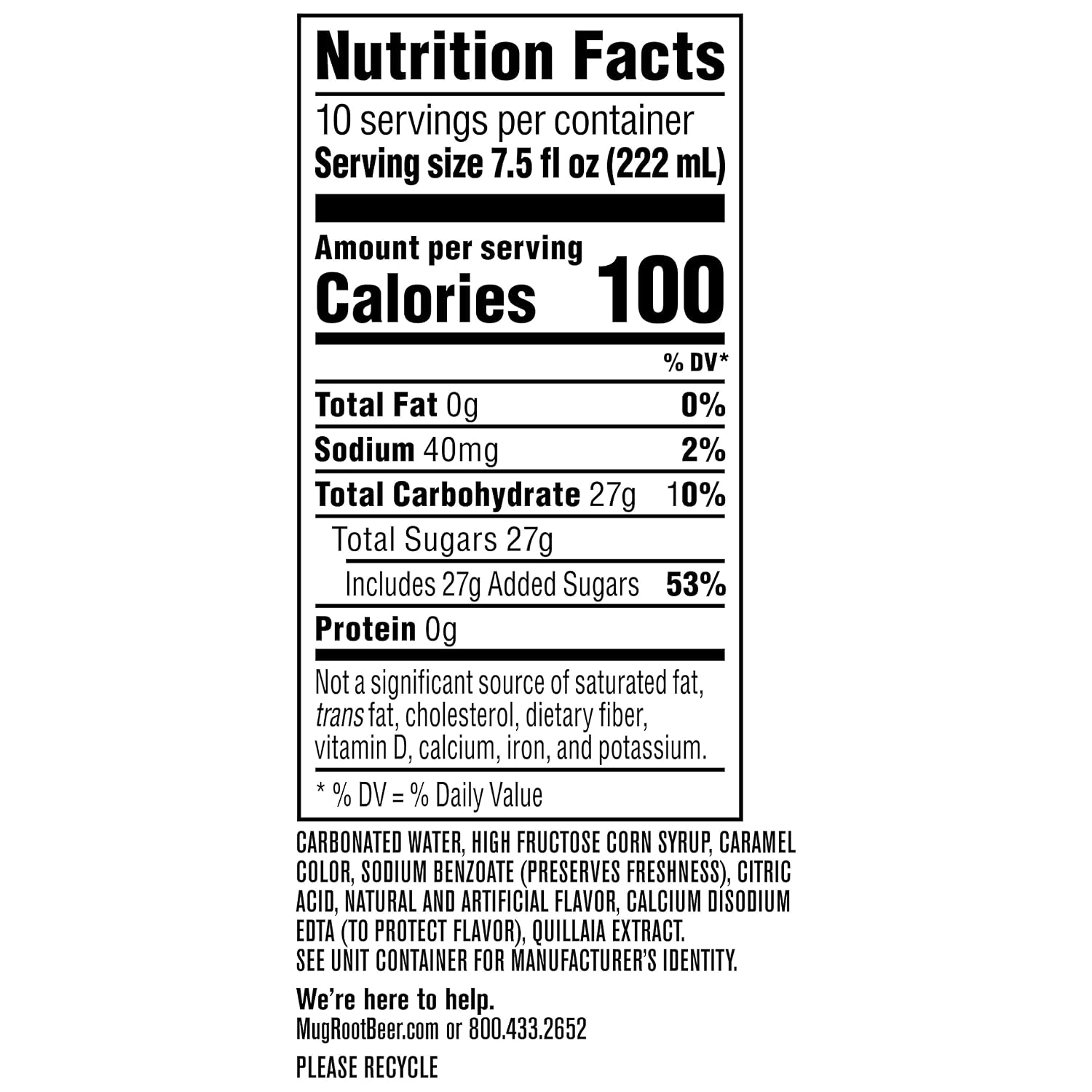
Mug Root Beer occupies a quietly utilitarian corner of this category, and its review profile reflects that. Buyers describe it in the most functional terms — “just the right size,” “perfect for the kids” — with almost no drama in either direction. Critically, the shipping-damage complaint pattern that follows Pepsi Wild Cherry is essentially absent from Mug Root Beer verified reviews. The pack construction appears more robust, or the product is handled differently in fulfillment; either way, buyers report clean arrivals with far greater consistency.
Mug Root Beer’s flavor profile — vanilla-forward, moderately sweet, lower carbonation intensity than Coke-family products — makes it particularly well-suited to ice cream floats in mini form. A smaller float is easier to manage for younger kids, and the 7.5-ounce can sizes the dessert appropriately. Reviewers who use it this way tend to be the most loyal repeat buyers in the category.
Mug
$5.37
In stock on Amazon
Check price on AmazonFanta Mini Cans — The Fruit-Soda Workhorse
Fanta mini-can reviewers are among the most utilitarian in the entire format. The pattern across aggregated verified purchaser reviews is consistently: parent buys for a child, child finishes the whole thing without waste, parent re-orders. Fanta Orange is the dominant flavor in most bundle configurations. The lack of strong negative feedback in this SKU’s review record suggests the product travels well and meets expectations precisely because those expectations are simple and consistent: a bright, sweet fruit soda in a size a child can actually finish.
Mug
$5.37
In stock on Amazon
Check price on AmazonMountain Dew Mini Cans — The Gaming-Session Specialist
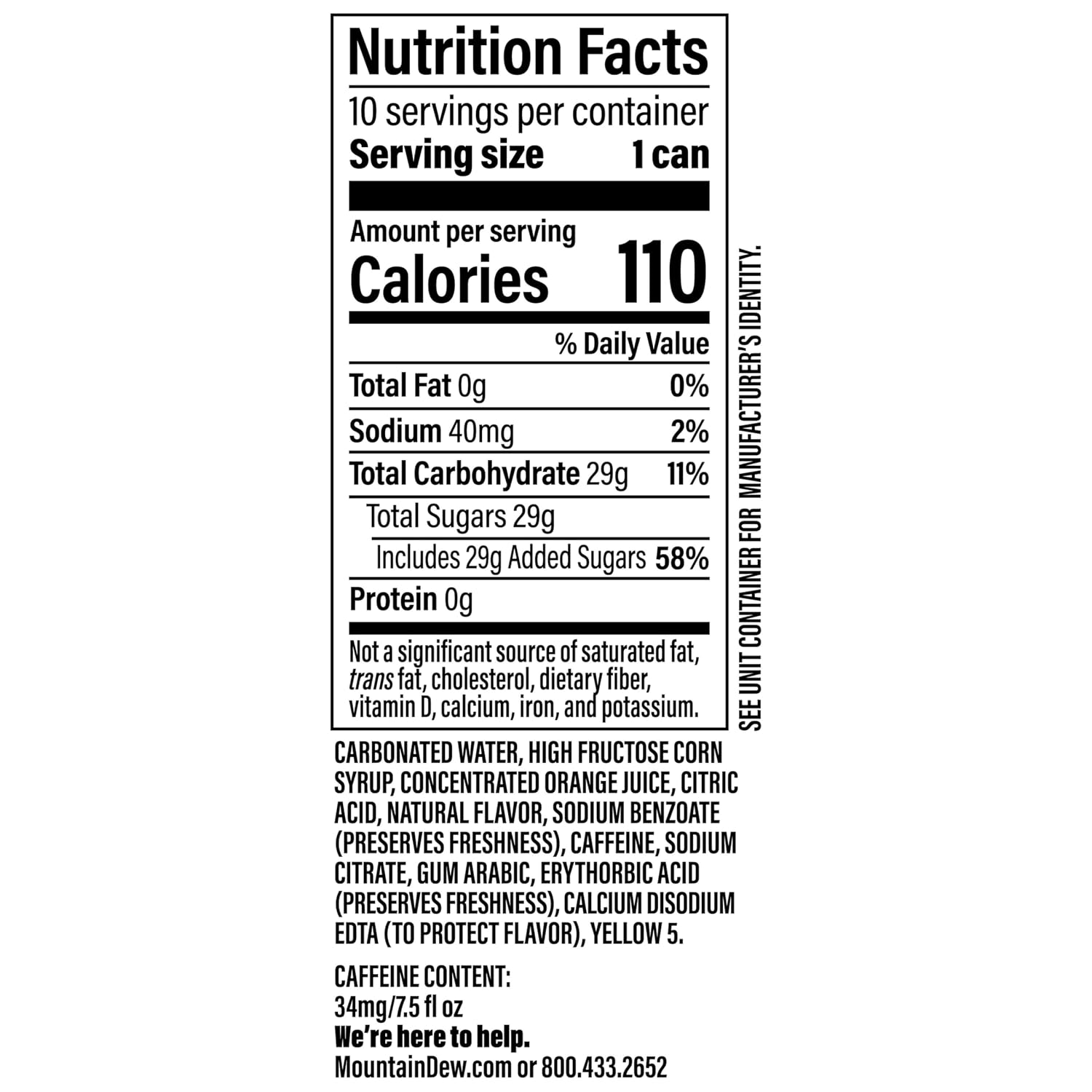
Mountain Dew’s mini-can buyer skews notably different from the other formats. Verified reviewers from 2024–2025 specifically name gaming sessions as the consumption context, calling out long play sessions where a smaller, colder can is easier to manage than a 12-ounce that goes warm after 20 minutes. This is useful context for gifting: if you’re putting together a game-night gift basket or stocking a media room, the Mountain Dew mini-can format has a built-in cultural fit that Mug Root Beer simply doesn’t carry.
Mountain
$6.42
In stock on Amazon
Check price on AmazonShipping Damage: The Risk Factor Nobody Puts in the Title
The single most actionable insight from reviewing the mini-can category across major brands is that packaging quality varies meaningfully by SKU, and the risk is not hypothetical.
Consumer Reports, in its 2023 report “Packaging Integrity and Carbonated Beverage Quality,” notes that dented aluminum cans with seam or rim damage can compromise the hermetic seal, which affects both carbonation retention and, in cases of significant structural deformation, food safety. The practical rule drawn from that guidance: a shallow cosmetic dent on the body of a can — not near the top rim, not on a seam — is generally considered acceptable by food safety standards. Any dent that creates a sharp crease, affects the top lid or pull-tab area, or shows visible seam deformation warrants discarding the can. The Pepsi Wild Cherry reviewers who declined to drink the two most visibly damaged cans were making a reasonable call consistent with that standard.
What to do about it:
- Subscribe & Save tends to produce more consistent handling than one-off orders, because fulfillment centers route these as regular-replenishment items.
- Check the outer carton immediately on delivery and photograph any damage before opening.
- Single-flavor 10-packs in slimmer cartons are more vulnerable than dense 24-packs; if shipping damage is a recurring problem, moving to the larger variety format reduces exposure.
Taste Parity: Do Mini Cans Actually Taste the Same?
The drinks section of Serious Eats has addressed the packaging-and-flavor question directly in its coverage of carbonated beverages: the aluminum can format is considered the most flavor-neutral vessel for soda, and the 7.5-ounce mini can uses the same liner and seaming process as the standard 12-ounce. The carbonation level is identical at the point of canning. Because the can is smaller, you finish it faster — and a can finished in three minutes stays colder and fizzier throughout than the warm final third of a 12-ounce you nursed too long. That’s actually one of the underrated arguments for the mini-can format that rarely appears in marketing copy.
The practical caveat is freshness dating. Mini cans in variety packs can sit in warehouse inventory longer than high-velocity single-flavor cases. Subscribe & Save’s regular replenishment cadence is one indirect way to improve your odds of fresher stock versus a static one-time order that sits in a warehouse for an indeterminate period.
Frequently Asked Questions
Do mini cans taste the same as regular 12-oz cans? Yes, in all meaningful ways. The aluminum can format preserves carbonation and flavor identically regardless of volume. The chemistry does not change based on can size. The only real variable is how quickly you drink it: a smaller can stays cold and fizzy for the full pour, which some buyers prefer over a 12-ounce that goes lukewarm in the final third.
Are mini cans safe to drink if the top is dented? It depends on the dent. A shallow cosmetic dent on the side of the can body — not near a seam, not affecting the top lid — is generally considered acceptable. Any dent involving a sharp crease, affecting the top rim or pull-tab area, or showing visible seam deformation is a discard situation. Consumer Reports’ 2023 packaging integrity guidance recommends erring on the side of caution when there is any structural deformation at the top or seam of a can.
Which mini can format is best for kids? Mug Root Beer and Fanta get the most explicit “best for kids” mentions in verified buyer reviews, and both have cleaner shipping-damage records than Pepsi Wild Cherry. The 7.5-ounce volume is well-sized for younger children without the waste of a standard can. If your child has a strong flavor preference, a single-flavor 10-pack is the obvious call. For households with multiple kids and varied preferences, the Coca-Cola variety 24-pack covers more ground.
Is the Coca-Cola 24-can variety pack worth the premium over single-flavor 10-packs? For households with mixed preferences, offices, and entertaining situations: yes. For a household where one person drinks one flavor: no. The math doesn’t favor variety-pack pricing if you’re buying flavors nobody will drink. If your household has three or more regular soda drinkers with different preferences, the variety pack pays for itself in reduced waste within two orders.
How do mini cans perform on Subscribe & Save pricing? All major mini-can SKUs — Coca-Cola variety, Pepsi Wild Cherry, Mug Root Beer, Fanta, Mountain Dew — are Subscribe & Save eligible, and the discount is meaningful on a per-case basis. The more important benefit is handling consistency: Subscribe & Save shipments route through regular replenishment logistics, which buyers report produces fewer damaged arrivals than one-off orders. If you’re buying mini cans more than twice a year for a household or office, a subscription is the straightforward call.
The Decision Rule
Here’s the framework, stated plainly:
- If you have one household flavor preference and no shipping-damage history: single-flavor 10-pack on Subscribe & Save.
- If you’re buying for kids, float nights, or a game room: Mug Root Beer or Fanta; both have the cleanest arrival records and the most consistent kid-approval ratings in verified reviews.
- If you’re stocking an office, home bar, or event table: Coca-Cola variety 24-pack; the optionality justifies the per-unit premium.
- If Pepsi Wild Cherry is the household preference: order it, but inspect on arrival and document any carton damage before opening.
- If you’ve had shipping damage on any format: move to Subscribe & Save and photograph delivery boxes until you’ve confirmed your fulfillment center’s handling quality.
Mini cans are a simple product category with a surprisingly nuanced buying decision underneath. The format you choose matters less than matching it to your actual use case — and now you have the pattern to do that confidently.