Ginger beer is a carbonated, ginger-flavored soft drink — think of it as the spicier, more serious cousin of ginger ale. Unlike ginger ale, which is typically mild and sweet, ginger beer is brewed or steeped with real ginger root, which gives it a sharper, warmer bite. It’s the backbone of a Moscow Mule, a Dark ‘n’ Stormy, and dozens of other classic cocktails — but plenty of people drink it straight as a stomach soother or a just-because afternoon fizz. If you’ve been buying whatever’s cheapest at the grocery store and wondering whether the fancier bottles are actually different, the answer is: yes, meaningfully so. This guide breaks down the major brands by price tier, tells you what real buyers report about each one, flags some documented shipping headaches you should know about, and ends with a clean decision framework so you can stop second-guessing your cart.
How These Brands Stack Up at a Glance
The price spread across ginger beer brands is genuinely wide, and the differences aren’t just cosmetic. Here’s a snapshot before we go brand-by-brand:
| Brand | Approx. cost per bottle | Format | Ginger intensity (buyer consensus) | Tier |
|---|---|---|---|---|
| Cock ‘n Bull | ~$1.50–$2.00 | 12 oz glass | Mild-medium | Q — $20.94 |
| Reed’s Extra Ginger | ~$2.00–$2.50 | 12 oz glass | Medium-high | Q — $20.94 |
| Q Ginger Beer | ~$2.50–$3.00 | 9 oz glass | High | Fentimans — $44.99 |
| Fever-Tree | ~$2.50–$3.50 | 6.8 oz glass | Medium-high | Fever-Tree — $36.72 |
| Fever-Tree Blood Orange | ~$3.50–$4.50 | 6.8 oz glass | Medium (fruit-forward) | Fever-Tree — $36.72 |
| Fentimans | ~$3.00–$4.00 | 9.3 oz glass | High | Fentimans — $44.99 |
Prices reflect approximate single-bottle retail averages as of mid-2026; multipack pricing improves most of these by 15–25%.
Even at the low end, you’re paying a meaningful premium over a can of ginger ale. What you’re buying is real ginger character — and in some cases, a very specific cocktail function. Here’s how each brand earns (or doesn’t earn) its price.
The Budget Tier
Cock ‘n Bull
Cock ‘n Bull is the brand most bartenders reach for when they think “Moscow Mule” — it has been tied to the cocktail’s mid-20th-century American origin story and its branded copper mug marketing. That legacy matters, but it’s worth knowing: Cock ‘n Bull has changed hands and undergone reformulation over the decades, and the current product is not the same recipe that appeared in those original 1940s promotions. The current formulation is a pleasant, moderately gingery soda with a clean sweetness. Serious Eats, in their roundup titled “The Best Ginger Beers for Moscow Mules and Beyond,” describes Cock ‘n Bull as reliable and accessible but not particularly complex — a fair summary of buyer sentiment overall. It mixes well, it’s affordable in multipacks, and it’s widely available. The tradeoff: if you want genuine ginger heat, this one will feel mild.
Shipping caveat, and it matters: Multiple buyers ordering Cock ‘n Bull through online marketplaces report receiving broken bottles — glass shards in cardboard, leaking boxes, two or three bottles intact out of a case of twelve. This isn’t a one-off complaint; it’s a consistent pattern across aggregated reviews. If you’re ordering this brand online, check whether the listing specifies protective bottle wrapping. If it doesn’t, consider buying through a local retailer or warehouse club instead.
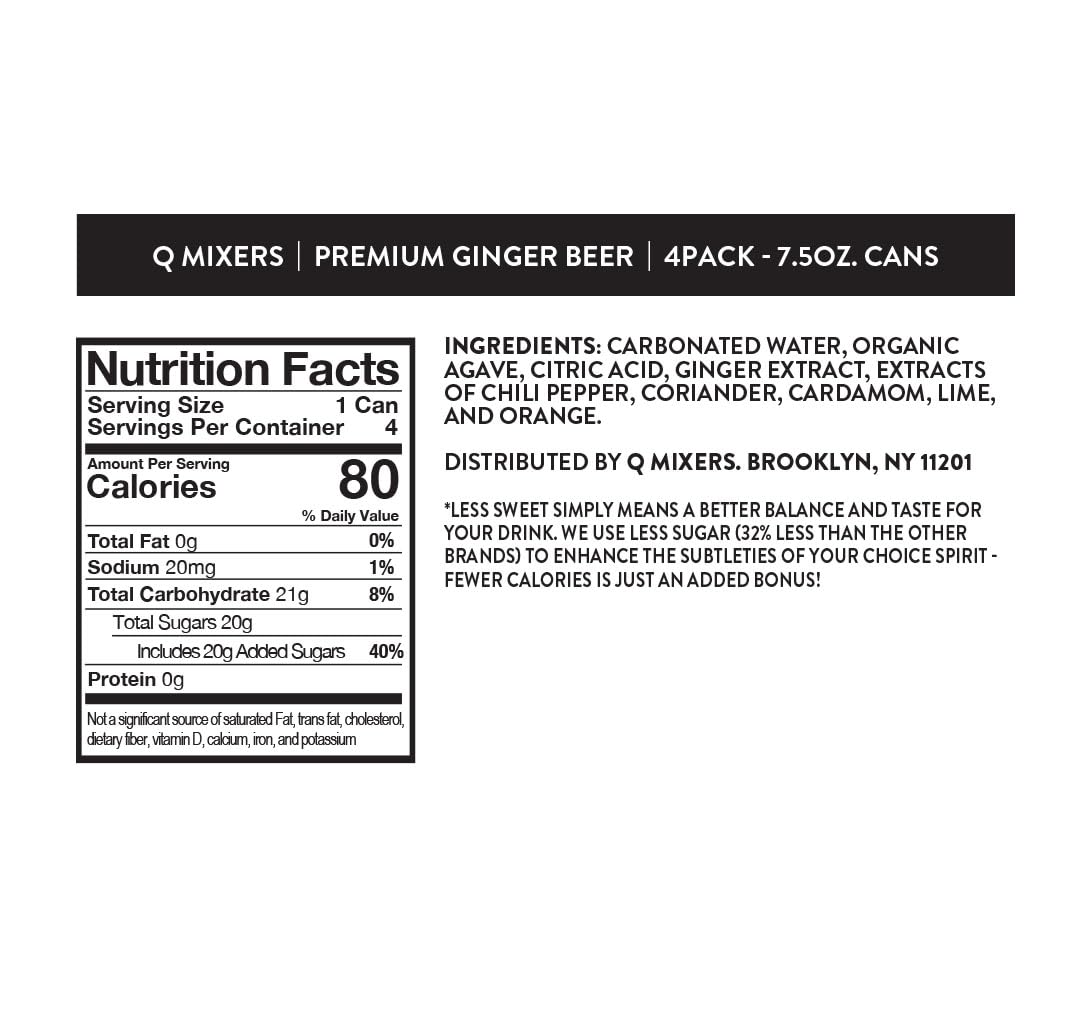
Q
$20.94
In stock on Amazon
Check price on AmazonReed’s Extra Ginger Beer
Reed’s Extra Ginger Beer is the budget brand that meaningfully steps up in ginger intensity. Buyers specifically praise Reed’s for its individual bottle wrapping in online orders — a detail that sounds minor until you’ve received a box of broken glass from a competitor. Reed’s uses fresh ginger root and honey in its formulation, and the Extra Ginger variety in particular earns consistent mentions for actual warmth and throat-tingle. Tasting Table, in “The Best Ginger Beers Ranked,” calls Reed’s one of the best value options for cocktail use, and Food & Wine’s “The Best Ginger Beers for Every Occasion” similarly positions it as a dependable mid-range pick. For buyers who want more ginger character without moving to the premium shelf, Reed’s Extra Ginger is the clearest step up from the mass-market tier.
Q
$20.94
In stock on Amazon
Check price on AmazonThe Mid-Tier: Fever-Tree
Fever-Tree Ginger Beer
Fever-Tree is the dominant name in premium mixers, and according to buyer patterns across multiple retailer review sets, it attracts at least three distinct buyer personas:
- Cocktail mixers who use it specifically with dark rum or vodka and prioritize clean, not-too-sweet carbonation that doesn’t overwhelm the spirit.
- Plain-sipping comfort drinkers who like a sophisticated, lower-intensity ginger experience as a standalone beverage.
- Stomach and nausea remedy seekers who reach for Fever-Tree the way an earlier generation reached for plain ginger ale — because the ginger character is real enough to provide comfort without being aggressive.
Fever-Tree’s standard Ginger Beer threads all three use cases reasonably well. VinePair, in “The 10 Best Ginger Beers to Drink Right Now,” places Fever-Tree near the top for cocktail mixing precisely because of its balance — it amplifies spirit flavor without competing with it.
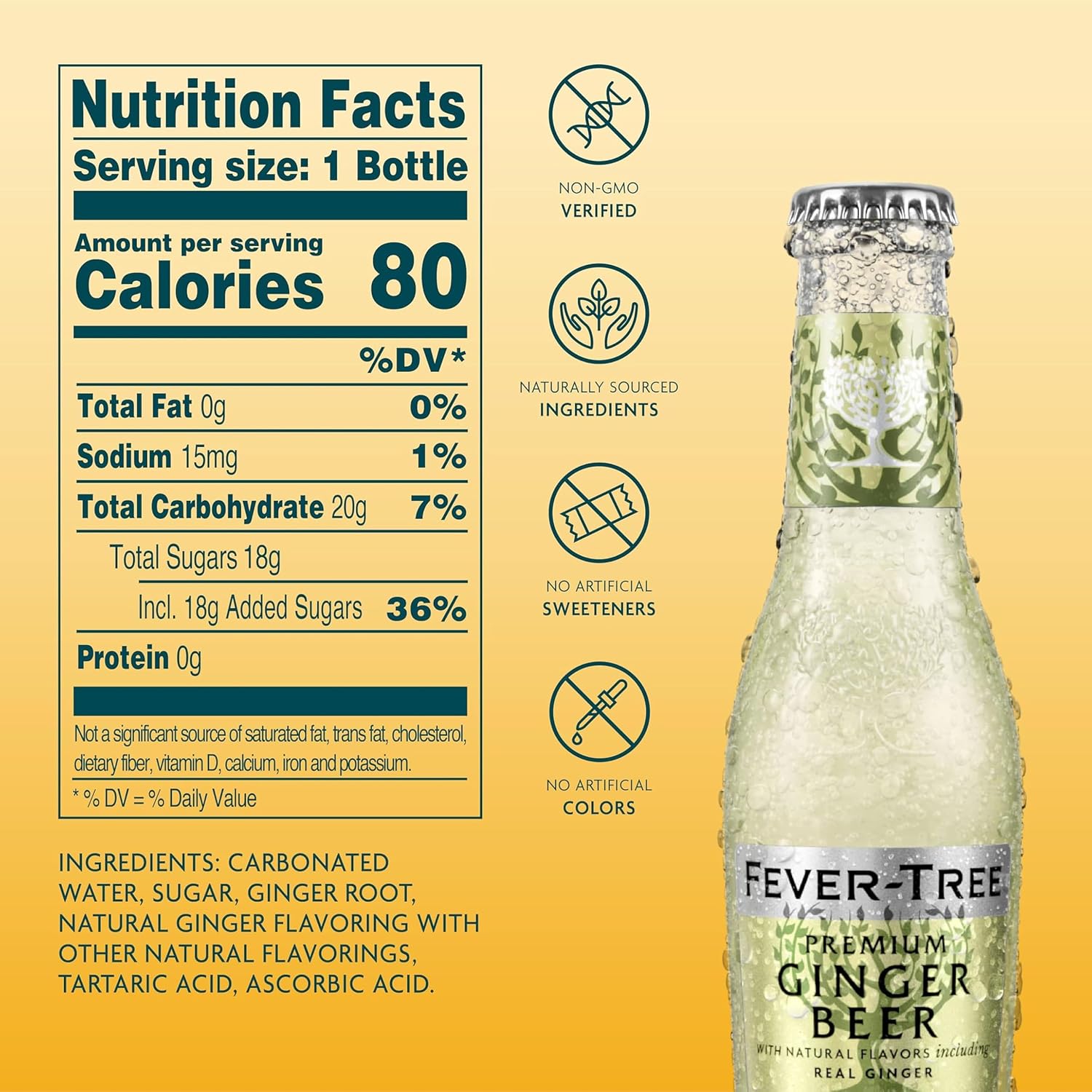
Fever-Tree
$36.72
In stock on Amazon
Check price on AmazonFever-Tree Light
Fever-Tree Light deserves its own section because it gets a specific question in almost every buying thread: is the low-calorie version actually worth it? The short answer, based on what buyers consistently report, is yes — with a caveat. Fever-Tree Light uses a blend of three natural gingers and cuts sugar without swapping in artificial sweeteners, so the flavor profile holds up better than most diet alternatives in the category. For calorie-conscious Moscow Mule drinkers especially, it’s the closest thing to a direct swap. The carbonation is slightly lighter, which some reviewers notice and some don’t. If you’re mixing it into a cocktail rather than sipping it straight, the difference becomes negligible.
That said, Fever-Tree Light is also one of the brands with documented broken-bottle issues in online shipments — so the same shipping caution that applies to Cock ‘n Bull applies here as well.
Fever-Tree
$36.72
In stock on Amazon
Check price on AmazonFever-Tree Blood Orange
Fever-Tree Blood Orange is worth flagging as a sub-product with its own buyer dynamic. Reviewers describe it enthusiastically — the blood orange and ginger combination reads as genuinely sophisticated and works well in spritzes and light rum drinks — but multiple buyers have documented significant price inflation over the past two years, with one widely-cited reviewer calling it “delicious, refreshing, and way too expensive.” That’s a real purchasing-decision signal. If Blood Orange is your target, buying in a variety multipack or waiting for a seasonal promotion substantially improves the value proposition.
Fever-Tree
$36.72
In stock on Amazon
Check price on AmazonThe Premium Tier: Q and Fentimans
Q Ginger Beer
Q Ginger Beer is the most cocktail-specific brand in this comparison, and Q’s buyers are the most enthusiastic about ginger intensity. Reviewers use words like “punchy,” “fierce,” and “the real deal” at a noticeably higher rate than for any other brand reviewed here. Serious Eats, in “The Best Ginger Beers for Moscow Mules and Beyond,” highlights Q’s use of real ginger and its higher carbonation level as the reasons it holds up so well under ice and spirit dilution. If you are building cocktails and ginger heat is the primary variable you’re optimizing for, Q is the clearest recommendation in this tier.
The smaller bottle size — 9 oz versus the 12 oz you get from Reed’s or Cock ‘n Bull — means the per-ounce cost is real. But it also means less waste if you’re opening bottles for single cocktails rather than pitchers.
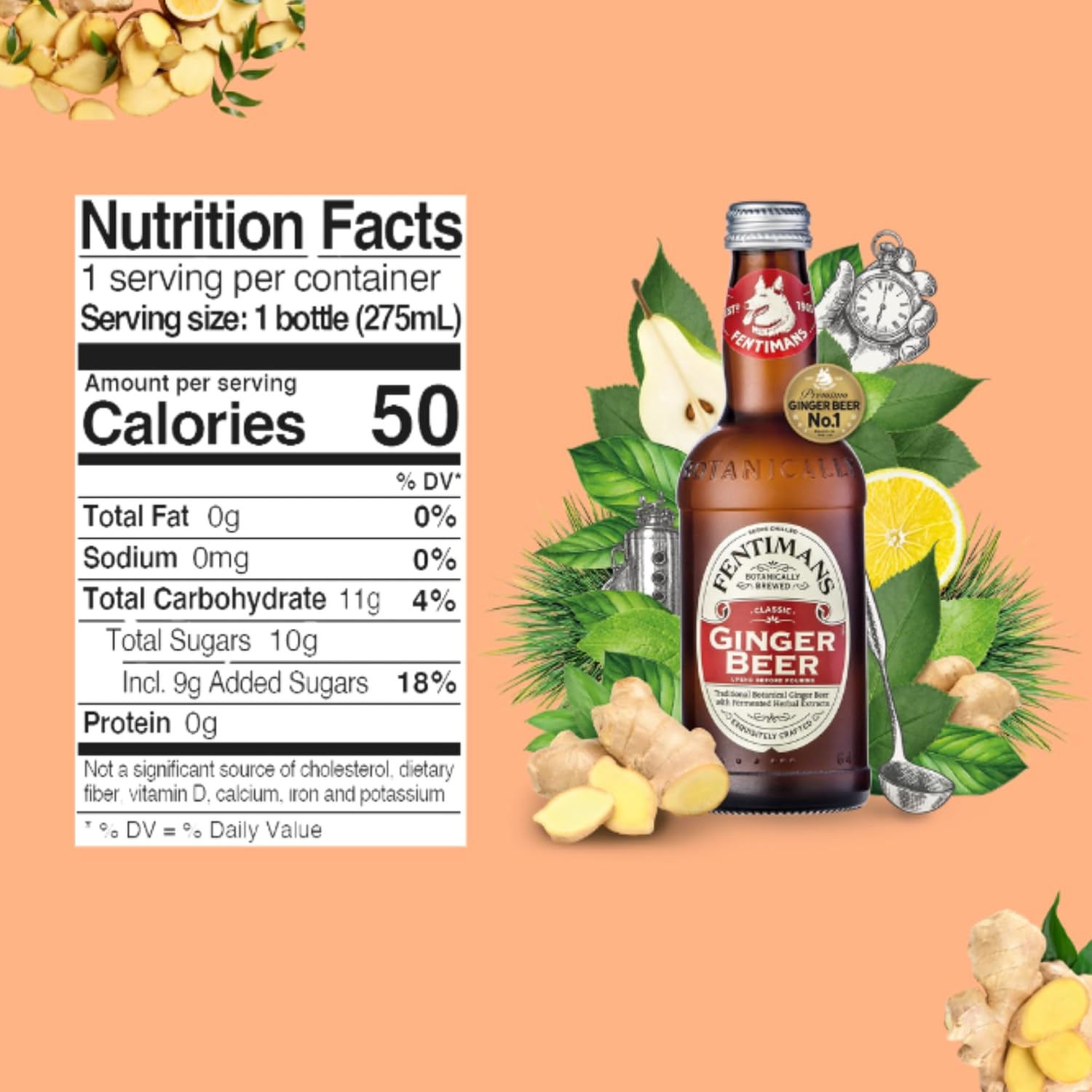
Fentimans
$44.99
In stock on Amazon
Check price on AmazonFentimans
Fentimans is the botanically brewed outlier in this group. The production method — a longer steep with ginger root, lemon grass, and other botanicals — produces a flavor profile that buyers describe as more complex and slightly herbal compared to Fever-Tree or Q. It’s a genuinely different experience, not just a price-tier difference. Food & Wine’s “The Best Ginger Beers for Every Occasion” positions Fentimans as a strong choice for plain-sipping and for pairings where you want the ginger beer to be a flavor statement in its own right, not just a cocktail backdrop.
One important and unusual accessibility note: a five-star Fentimans reviewer who clearly loves the product stated they cannot purchase it again because the screw-on lid requires excessive force to open — a problem for anyone with limited hand strength or arthritis. If accessibility is a factor for yourself or someone you’re buying for, Fentimans’ packaging design is worth knowing about before ordering.
Fentimans
$44.99
In stock on Amazon
Check price on AmazonThe Broken Bottle Problem: What You Should Actually Do
This deserves its own section because it genuinely affects purchasing decisions. Glass-bottle ginger beers shipped via online marketplaces have a documented packaging problem across multiple brands: Cock ‘n Bull, Fever-Tree Light, and Fentimans all have reviewers reporting broken bottles in transit. The pattern is consistent enough that it should be treated as a real risk, not an outlier.
Reed’s is the notable exception — buyers specifically praise its individual bottle wrapping as a reason to prefer ordering it online. If you’re building a home bar or stocking up for an event and glass bottles matter to you, that’s relevant purchasing information.
Practical decision rules for ordering:
- If you need glass-bottle premium ginger beer shipped to your door, check the listing for protective wrapping language before buying.
- If the listing doesn’t specify individual wrapping, consider ordering through a specialty beverage retailer rather than a general marketplace.
- If you’re flexible on brand, Reed’s is the product with the best documented track record for arriving intact.
Frequently Asked Questions
Which ginger beer has the strongest ginger flavor and heat? Based on aggregated buyer reviews, Q Ginger Beer earns the most consistent praise for ginger intensity and heat. Fentimans ranks second for complexity and botanical depth. Reed’s Extra Ginger is the strongest performer in the budget tier for actual ginger character.
Is Fever-Tree Light actually worth it for low-calorie cocktails? Yes, for most cocktail applications. Fever-Tree Light avoids artificial sweeteners, so the flavor integrity is better than most diet alternatives in the category. The carbonation is slightly softer, but in a mixed drink the difference is minimal. It’s the best low-calorie option currently available in the premium ginger beer segment.
Why do so many ginger beer orders arrive with broken bottles? Glass bottles are heavy and fragile, and standard e-commerce packaging isn’t always designed for them. The consistent pattern across Cock ‘n Bull, Fever-Tree, and Fentimans reviews suggests a systemic issue with how these products are packed for individual shipment rather than retail pallet distribution. Reed’s individual bottle wrapping is consistently cited as the reason it has a better arrival record.
Can ginger beer genuinely help with nausea or stomach discomfort? Ginger has a documented history of use as a digestive aid. Compounds in ginger root — primarily gingerols and shogaols — have evidence supporting their effectiveness for nausea. Ginger beer made with real ginger root (Fever-Tree, Reed’s, Fentimans, Q) contains these compounds in meaningful quantities. Products made with ginger flavoring rather than real ginger root would not carry the same benefit. Nothing in this article constitutes medical advice.
What is the difference between ginger beer and ginger ale? Ginger ale is a lightly carbonated soft drink flavored with ginger, typically mild and sweet. Ginger beer is brewed or steeped with real ginger root and has a sharper, spicier, more pronounced ginger flavor. Ginger beer also tends to have higher carbonation. They are not interchangeable in cocktails — a Moscow Mule made with ginger ale will taste noticeably flatter and sweeter.
Is Cock ‘n Bull the same recipe as the original? No. Cock ‘n Bull has changed ownership and undergone reformulation multiple times since the 1940s. The current product is a pleasant, accessible ginger soda but is not the same formulation associated with its mid-century origin story. For historical authenticity, it’s a branding connection more than a recipe connection.
The Decision Framework
Stocking a bar cart or ordering for events: Q for ginger intensity, Fever-Tree for balanced versatility, Fentimans if you want a flavor-forward botanical profile that stands on its own.
Building a case for home use and want reliable delivery: Reed’s Extra Ginger, full stop. It’s the brand with the best packaging track record for online orders.
Budget is the primary constraint and you’re mixing cocktails: Cock ‘n Bull does the job, but order locally or from a retailer with better glass packaging — don’t gamble on transit damage for a multipack.
Buying for a calorie-conscious guest or low-ABV event: Fever-Tree Light is the cleanest low-sugar option in the premium tier without sacrificing flavor credibility.
The price spread between a Cock ‘n Bull multipack and a case of Q is real — roughly double per bottle. Whether that gap is worth it depends entirely on whether ginger heat is a variable you’re optimizing for. If it is, the upgrade pays off in the glass. If you just need a mixer that shows up intact, Reed’s is where the value-to-reliability ratio peaks.