If you’ve ever handed someone a gift bag with a bottle of something fizzy inside and watched them genuinely light up, you already understand the core appeal here. Craft sodas — small-batch, artisan-produced carbonated beverages, typically sold in glass bottles rather than aluminum cans or plastic — occupy a genuinely special lane in the gift-giving world. Unlike mass-market sodas you grab at a checkout line, these are drinks made with real cane sugar or raw honey, single-origin fruit juices, or botanical blends that take real R&D time to develop. The glass bottle isn’t just aesthetics: it preserves carbonation differently than plastic and signals that the producer is betting on a longer shelf life and a more deliberate drinking experience. A well-chosen sampler — a curated set of multiple flavors or brands — lets the recipient explore that world without committing to a full case. This guide is for the buyer who already has some familiarity with the category but wants a tighter decision framework: what actually justifies a $35–$60 price tag on a sampler, and which specific products are worth it.
| EDITOR'S PICKJones Soda Co. Fallout Vault-Te… | Mid-tierStewart's - Soda Variety Pack -… | Budget pickJones Soda Co. | |
|---|---|---|---|
| Bottle size | 12 fl oz | 12 oz | 12 oz |
| Bottle count | 12 | 24 | 12 |
| Cane sugar | ✓ | — | ✓ |
| Limited edition | ✓ | — | — |
| Made in USA | ✓ | — | — |
| Price | $87.90 | $54.99 | $49.99 |
| See on Amazon → | See on Amazon → | See on Amazon → |
Why the Premium Exists (and When It’s Earned)
The gap between a $1.50 can of mainstream soda and a $5 glass-bottle craft soda isn’t arbitrary markup — but it’s not always earned equally, either. Understanding the cost structure helps you evaluate whether a given sampler is genuinely differentiated or just beautifully packaged commodity sugar water.
What you’re actually paying for in a legitimate premium craft soda:
- Ingredient sourcing. Producers like Bruce Cost Ginger Ale use unfiltered fresh ginger; Dry Sparkling uses actual fruit essences with low sugar loads. VinePair’s editorial on the rise of craft soda notes that ingredient transparency — real-name botanicals, named fruit origins — is the clearest signal that a producer is doing something materially different from a concentrate-and-carbonation operation.
- Glass packaging. Glass bottles cost significantly more to manufacture, fill, and ship than cans. They also require more careful warehousing. That cost lands in the retail price. It’s not theater; it reflects real production economics.
- Smaller batch runs. Low volume means no bulk ingredient pricing, no high-speed filling lines, and more manual QC. Tasting Table’s roundup of the best craft sodas to buy online consistently highlights this as the reason craft producers price above $4 per unit at the low end.
- Distribution overhead. A brand selling through specialty importers, Goldbelly, or direct-to-consumer storefronts is eating higher per-unit shipping and margin-sharing costs than a brand on a major distributor’s national network.
When a sampler is priced at $45–$60 for 12 bottles, the math roughly works out like this:
By the numbers
- Average glass-bottle craft soda: $4–$6/unit at retail
- Sampler premium (curation + packaging): $3–$6 added per set
- Shipping weight penalty for glass (12-pack): roughly $8–$14 at standard ground rates
- Net cost to justify: ~$38–$56 before retailer margin
If a sampler sits below $35 for 12 glass bottles, scrutinize the brand list carefully. Either the producer is subsidizing the sampler as a customer acquisition tool (which can actually be a good deal for the buyer), or the “craft” positioning is thinner than advertised.
The Sampler Formats That Actually Work as Gifts
Not every sampler format is equally giftable. Here’s the decision matrix based on recipient profile and occasion:
Single-Brand Variety Packs
These showcase one producer’s full flavor range — typically 6 to 12 SKUs in one box. They work best when the recipient already knows and loves the brand, or when you’re giving to someone who drinks with enough attention to compare flavors side by side.
Best fits:
- Bruce Cost Ginger Ale variety sets — three flavor expressions (original, passion fruit, jasmine) in one package. Serious Eats’ deep dive into what makes a great ginger beer notes that unfiltered ginger ales like Bruce Cost’s read more aggressively spicy than filtered counterparts; this is a feature for the right palate, not a flaw. Reviewers across specialty retailer sites consistently flag the passion fruit variant as the sleeper standout.
- Dry Sparkling assortment boxes — a low-sugar, botanical-forward line with flavors like cucumber, blood orange, and vanilla bean. Food & Wine’s guide to the best sparkling mixers for home bartenders calls out Dry Sparkling as one of the few craft lines that works equally well as a standalone sip and a cocktail modifier. For the home entertainer in your life, this is a tactically smart gift.
Multi-Brand Curated Samplers
These pull bottles from several producers into one themed box — “American craft roots,” “Japanese imports,” “vintage-style cane sugar sodas,” etc. They’re better for the genuinely curious recipient who doesn’t have strong brand loyalty yet, and they’re excellent for introducing someone to the hobby.
Best fits:
- Japanese Ramune variety packs — Kimura and Sangaria are the two most widely available producers in specialty import retail. Ramune is notable for its Codd-neck glass bottle sealed with a marble (the marble is pushed into the neck to open the bottle, which stays there during drinking). Eater’s piece on why import sodas have a cult following specifically calls out Ramune’s tactile bottle ritual as a large part of its appeal. At $4–$6 per bottle, a 6-bottle mixed-flavor Kimura set runs $28–$36 and photographs strikingly well as a gift.
- American heritage root beer and cream soda sets — smaller producers like Sioux City, Sprecher, and Maine Root show up in several curated sets sold through specialty retailers. These skew nostalgic and work well for recipients who don’t identify as “soda enthusiasts” but have strong flavor memories around root beer floats or vanilla cream sodas.
Import Showcases
These lean into geographic provenance — Mexican cane sugar Coke, Italian San Pellegrino flavor variants not widely available in US grocery chains, Jamaican D&G sodas, Swiss Rivella. The premium is partly the sourcing logistics. Eater notes that Mexican glass-bottle Coke sourced through specialty importers commands $2–$4 above domestic can pricing because of the glass format, the cane sugar formula, and the import chain.
For the flavor-literate recipient who already knows the domestic craft landscape, an import showcase sampler is the highest-signal gift choice — it demonstrates that the giver did more than click “craft soda gift” on a mass retailer.
The Tradeoffs You Need to Name Before You Buy
This is where the intermediate buyer often gets burned: buying on aesthetics or price tier without pressure-testing the actual match between sampler and recipient. Name these tradeoffs explicitly before you finalize.
Sugar load vs. flavor complexity. High-end craft sodas often run 30–40g of sugar per 12oz bottle — more than a standard Pepsi. If your recipient is health-conscious, a sampler built around Olipop or Poppi (prebiotic sodas with 2–5g sugar per can) is a better fit than a heritage cane-sugar showcase, even if the latter is technically more “premium” in craft-soda terms. Don’t conflate expensive with appropriate.
Glass bottle shipping risk. Some direct-to-consumer storefronts pack glass samplers well; others don’t. Buyers on specialty retailer review sections frequently note that single-origin importers take more care with packing than aggregator gift sets assembled in a warehouse. If you’re shipping to a recipient rather than hand-delivering, prioritize brands with documented good packing reputations or buy through Goldbelly, which has category accountability for fragile goods.
Carbonation intensity mismatch. Craft sodas vary significantly in carbonation level — Japanese Ramune and Maine Root tend toward high-pressure fizz; Boylan and Reed’s ginger ales are notably softer. Tasting Table’s craft soda roundup flags this as a common surprise for first-time buyers who assume “craft” correlates with “highly carbonated.” If the recipient has strong preferences here, a single-brand variety pack where carbonation is consistent is lower-risk than a multi-brand sampler.
Gifting vs. drinking timeline. Glass-bottle craft sodas typically carry best-by dates of 12–18 months from bottling. If you’re buying a sampler for a future occasion (a birthday two months out, a holiday box to ship in advance), check production dates where visible. Mass-market specialty sets assembled by aggregators sometimes carry stock that’s 6–9 months old at point of purchase.
Where to Buy and What to Expect to Spend
Beverages Direct and specialty soda storefronts carry the widest single-stop selection of glass-bottle craft brands and frequently offer pre-built sampler sets in the $35–$55 range for 12-bottle mixes.
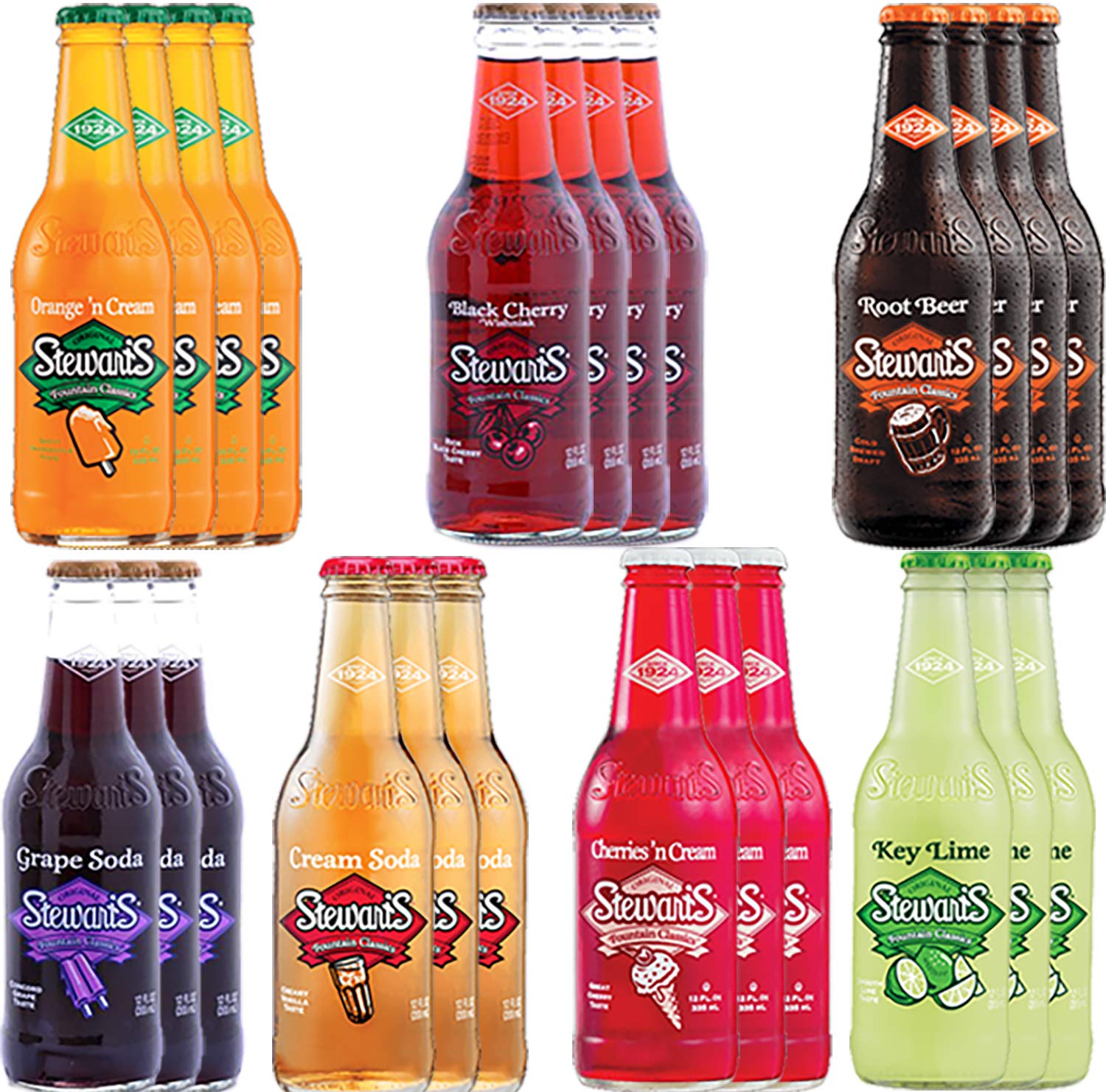
Goldbelly skews toward American regional producers and nostalgia brands — Sprecher from Milwaukee, Stewart’s from the Northeast — and is reliable for domestic shipping of fragile glass formats.
Direct-to-consumer brand storefronts (Bruce Cost, Dry Sparkling, Maine Root) often run the best value on single-brand variety packs because they’re eliminating the retailer margin. The tradeoff is minimum order sizes and shipping costs that can neutralize the savings on small orders.
Amazon Subscribe & Save carries some glass-bottle craft brands in 12-pack configurations, though the selection is thinner on true single-origin imports. Practical for replenishment once you know a brand the recipient loves; not ideal for a discovery-focused gift set.
The Decision Rule
If you know what you’re buying for:
- Recipient is a cocktail enthusiast or home entertainer → Dry Sparkling assortment or a Q Mixers/premium mixer bundle. The mixer use-case justifies the price and they’ll actually finish the bottles.
- Recipient is flavor-curious but new to craft soda → multi-brand American heritage sampler or a Ramune import set. Lower spend ($28–$40), high novelty factor, easy conversation starter.
- Recipient knows the domestic craft landscape already → import showcase (Mexican Coke, Japanese Ramune, Italian or Swiss imports). This signals effort and introduces genuinely new territory.
- Recipient is health-conscious → skip glass-bottle heritage sets entirely. A curated Olipop or Poppi variety box hits the “craft, thoughtful, premium” brief without the sugar load.
- You’re shipping, not hand-delivering → buy through Goldbelly or a direct brand storefront with documented fragile-shipping protocols. The $8–$12 shipping premium is insurance.
The premium price tag on a glass-bottle craft soda sampler is earned when the curation matches the recipient, the sourcing is transparent, and the format itself — the glass, the marble, the swing-top, whatever ritual the bottle imposes — adds something the drinking experience alone wouldn’t. When those three things align, a $50 soda gift lands harder than a $100 wine. When they don’t, you’ve bought someone a heavy box they’ll politely thank you for.