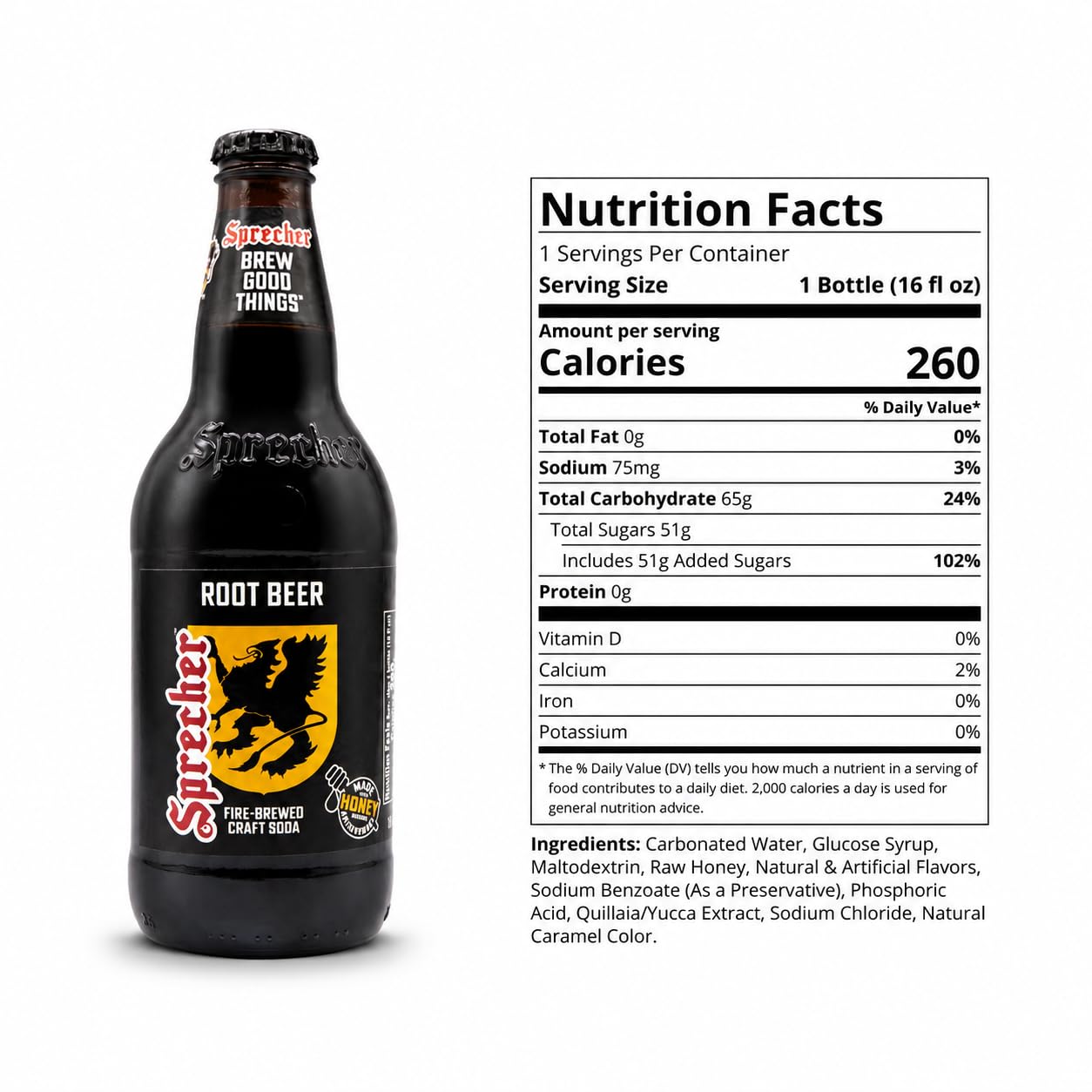
If you’ve ever taken a sip of root beer at a Wisconsin brewery, cracked open a glass bottle at a Texas barbecue joint, or grabbed something fizzy at a state fair that tasted completely unlike anything from a gas station cooler — welcome. That experience has a name: the soda tourist moment. It’s the instant you realize that not all carbonated soft drinks are made equal. Craft sodas — sweetened and carbonated in small or regional batches, often with cane sugar instead of the high-fructose corn syrup (HFCS) that dominates mass-market brands — occupy a genuinely different tier. This article is for anyone who’s lived that moment and is now trying to recreate it at home, source bottles for a party, or settle a friendly argument about which regional brand is actually the best. We compared five brands that show up constantly in that conversation — Sprecher, Dublin, Stewart’s, Rocky Mountain, and Wild Bill’s — and laid out exactly what you’re trading off when you choose one over another.
| EDITOR'S PICKStewart's - Soda Variety Pack -… | Mid-tierRocky Mountain Soda | Budget pickWild Bill's 4 Flavor Craft Soda… | |
|---|---|---|---|
| Pack size | 24 bottles | 12 bottles | — |
| Bottle size | 12 oz | 12 fl oz | — |
| Bottle type | Glass | — | — |
| Sweetener | — | Organic cane sugar | Pure cane sugar |
| Caffeine free | — | — | ✓ |
| Gluten free | — | ✓ | ✓ |
| Price | $54.99 | $39.99 | $33.99 |
| See on Amazon → | See on Amazon → | See on Amazon → |
The Lineup at a Glance
Before going flavor by flavor, here’s the honest frame: these five brands are not really competing for the same buyer. They overlap on shelf space and price point, but their strengths pull in different directions. Knowing which one fits your situation means understanding what each brand is optimized for.
Aggregated buyer review ratings, as of mid-2026:
- Dublin Dr Pepper (cane sugar): ★ 4.9 — highest rated in this comparison
- Sprecher Root Beer: ★ 4.7
- Stewart’s Orange Cream: ★ 4.6
- Wild Bill’s Variety 12-pack: ★ 4.4
- Rocky Mountain Soda: ★ 3.9 (with notable carbonation complaints)
Those half-star gaps matter more than they look. At the premium prices these brands command — typically $30–$60 per 12-pack once shipping is factored in — a 4.9 versus a 3.9 is a meaningful signal about consistency. The sections below break each brand into its own H3, with a tier marker at the end of each so you can scan directly to the pick that matches your budget and use case.
Brand-by-Brand Breakdown
Dublin: The Brand That Earns Its Hype
Dublin is the outlier in this group. A 4.9-star average across a meaningful review volume is genuinely rare for any food product sold online; it suggests a brand that doesn’t just meet expectations but consistently exceeds them. The story helps: Dublin, Texas was one of the last licensed bottlers in the country to keep using pure cane sugar in a widely recognized cola recipe long after the parent brand switched to HFCS — a cheaper sweetener derived from corn that carries a slightly heavier, syrupy mouthfeel. Reviewers who grew up drinking Dublin versions describe the difference as “cleaner,” “crisper,” and “actually refreshing in a way the regular version stopped being.”
Eater’s editorial feature “Regional Soda Brands Worth Seeking Out” names Dublin as a benchmark for understanding what cane sugar actually does to a familiar flavor profile. The short version: cane sugar dissolves more cleanly and doesn’t linger the way HFCS does, which means the flavor of the fruit, root, or spice the drink is built around comes through without a coating of sweetness underneath it. Serious Eats, in their piece on cane sugar and its role in craft soda, notes that the difference is most perceptible in darker, more complex sodas where the sweetener’s flavor is part of the overall profile rather than merely a delivery mechanism.
Dublin also ships well. The bottles are more robust than some glass-heavy competitors, and the unopened shelf life is long enough to order a case without worrying about freshness.
Best for: Buyers who want the easiest argument for why craft soda is worth the price premium — the familiar base flavor plus a demonstrable improvement makes it the most accessible first bottle for a skeptic.
Stewart's
$54.99
In stock on Amazon
Check price on AmazonSprecher: The Fire-Brewed Question Answered
Sprecher, out of Glendale, Wisconsin, is probably the most frequently asked-about brand on soda enthusiast forums — and the most frequently misunderstood. The “fire-brewed” label gets a lot of attention, so here’s the direct answer: yes, Sprecher uses a gas-fired kettle brewing process rather than a cold-blending process. VinePair’s coverage of fire-brewed production methods, in their piece “A Brief History of Fire-Brewed Beer and Its Flavor Claims,” explains that heat changes how sugars and spice extracts integrate during production, producing a slightly more caramelized, rounded flavor than cold-blended sodas where ingredients are simply combined at room temperature. Whether that difference reads as dramatic or subtle depends on your palate, but reviewers consistently describe Sprecher Root Beer as having depth — a vanilla-and-smoke undertone — that standard root beer doesn’t deliver.
Sprecher’s honey-based sweetening (their root beer and cream soda use Wisconsin honey alongside cane sugar) adds a layer of flavor complexity that differentiates it even from other premium root beers. Tasting Table, in their ranking “The Best Craft Sodas You Can Order Online,” calls Sprecher one of the few root beers with enough going on that it reads almost like a sophisticated drink rather than a childhood memory in a bottle.
The tradeoff: Sprecher’s glass bottles are on the heavier side, and reviewers who order variety packs occasionally report a broken bottle in transit. Check that any retailer you order from packs in individual bottle separators — it makes a material difference in arrival condition.
Best for: Buyers who already like root beer and want the version with the most flavor complexity, and anyone who needs to hold a credible conversation about craft soda production methods. Reliably available in larger multipacks, which matters for event sourcing.
Stewart's
$54.99
In stock on Amazon
Check price on AmazonStewart’s: The Sleeper Pick for Volume and Variety
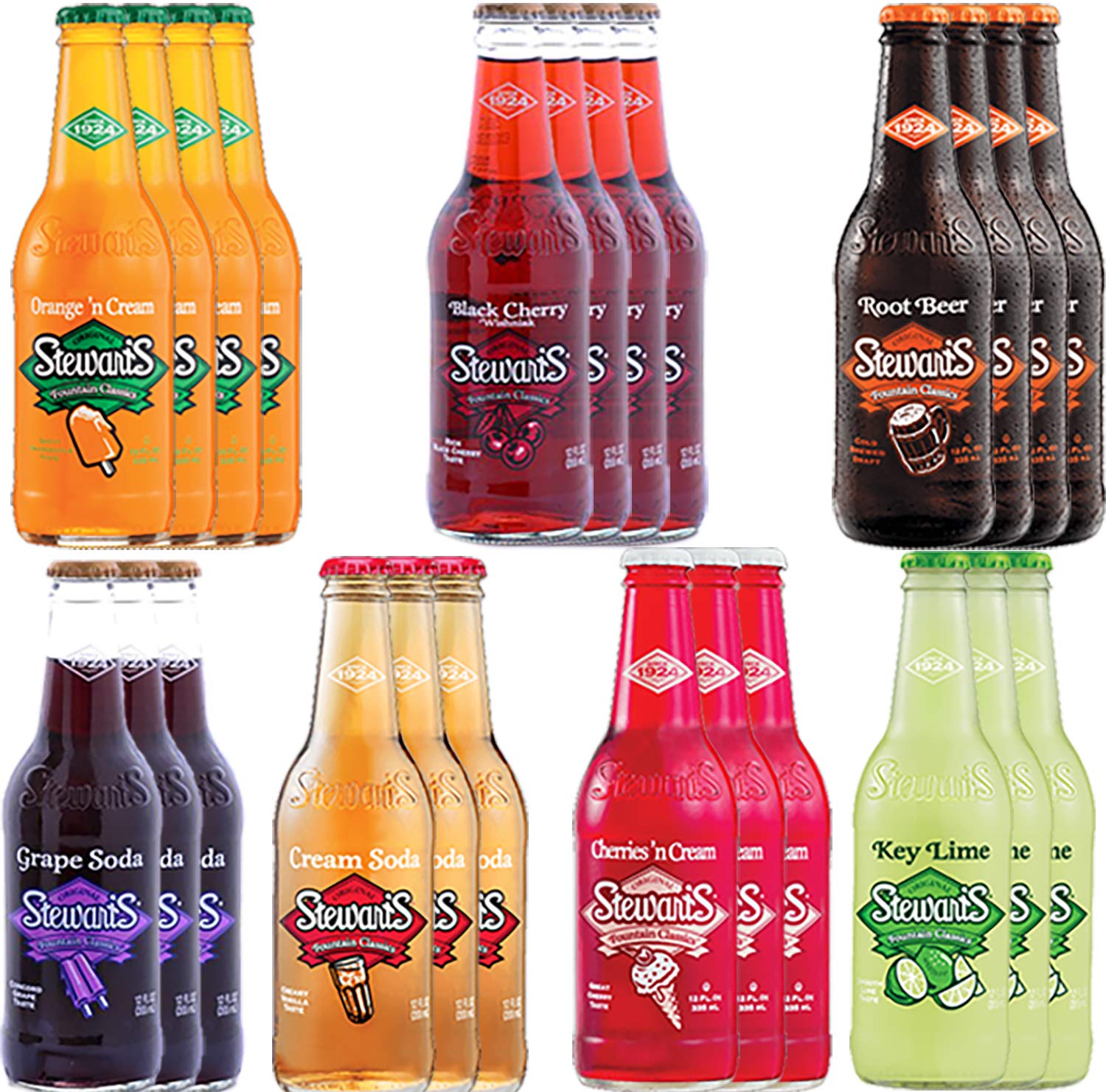
Stewart’s gets less headline attention than Sprecher or Dublin, partly because it doesn’t have a single signature origin story to anchor its identity. What it has instead is breadth and one quietly exceptional flavor: Orange Cream.
Stewart’s Orange Cream is a genuine sleeper hit. Reviewers who pick up a variety pack primarily for the root beer or grape soda consistently report being surprised by how much they like the orange cream — it has a push-pull between citrus sharpness and the milky vanilla finish of a creamsicle that reviewers describe as better-balanced than the competition. Food & Wine, in their feature “Why Craft Soda Is Having a Moment,” specifically notes that orange cream as a flavor category is underserved in the craft tier, and Stewart’s version is one of the few widely available examples that avoids tasting artificial.
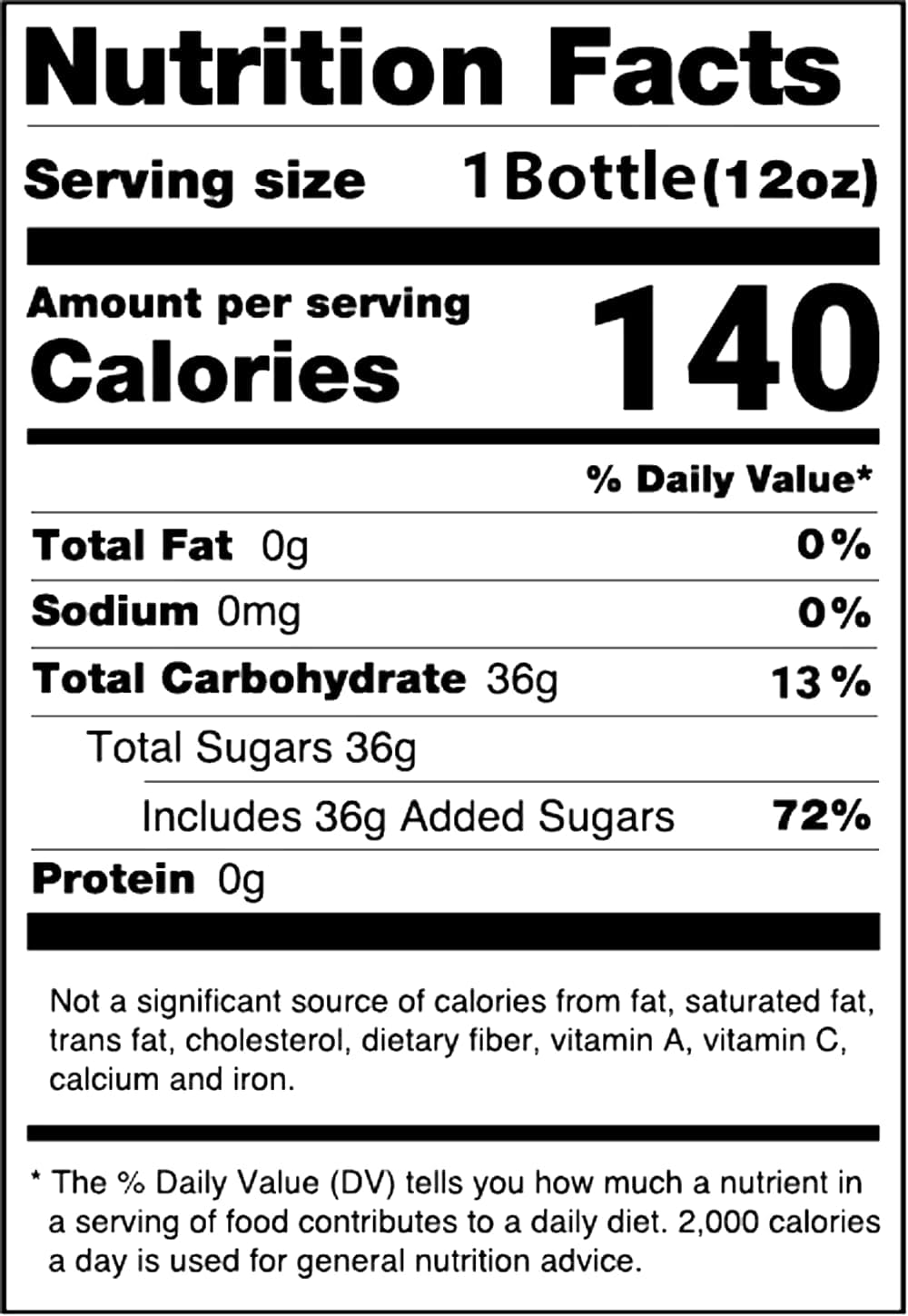
Stewart’s is also the most accessible price point in this comparison for buyers who want a branded craft experience without the full premium of a specialty import. That makes it the strongest candidate for the “volume buy for entertaining” slot — you get the craft soda story and real cane sugar at a per-bottle cost that doesn’t sting when guests grab three in a row.
Best for: Party spreads, gift baskets that need breadth, and buyers who are skeptical about paying full craft-soda prices for a first experiment. Stewart’s variety packs anchor the familiar end of any mixed soda spread.
Rocky
$39.99
In stock on Amazon
Check price on AmazonWild Bill’s: Carnival Vibes, Genuine Quality, Fragile Packaging
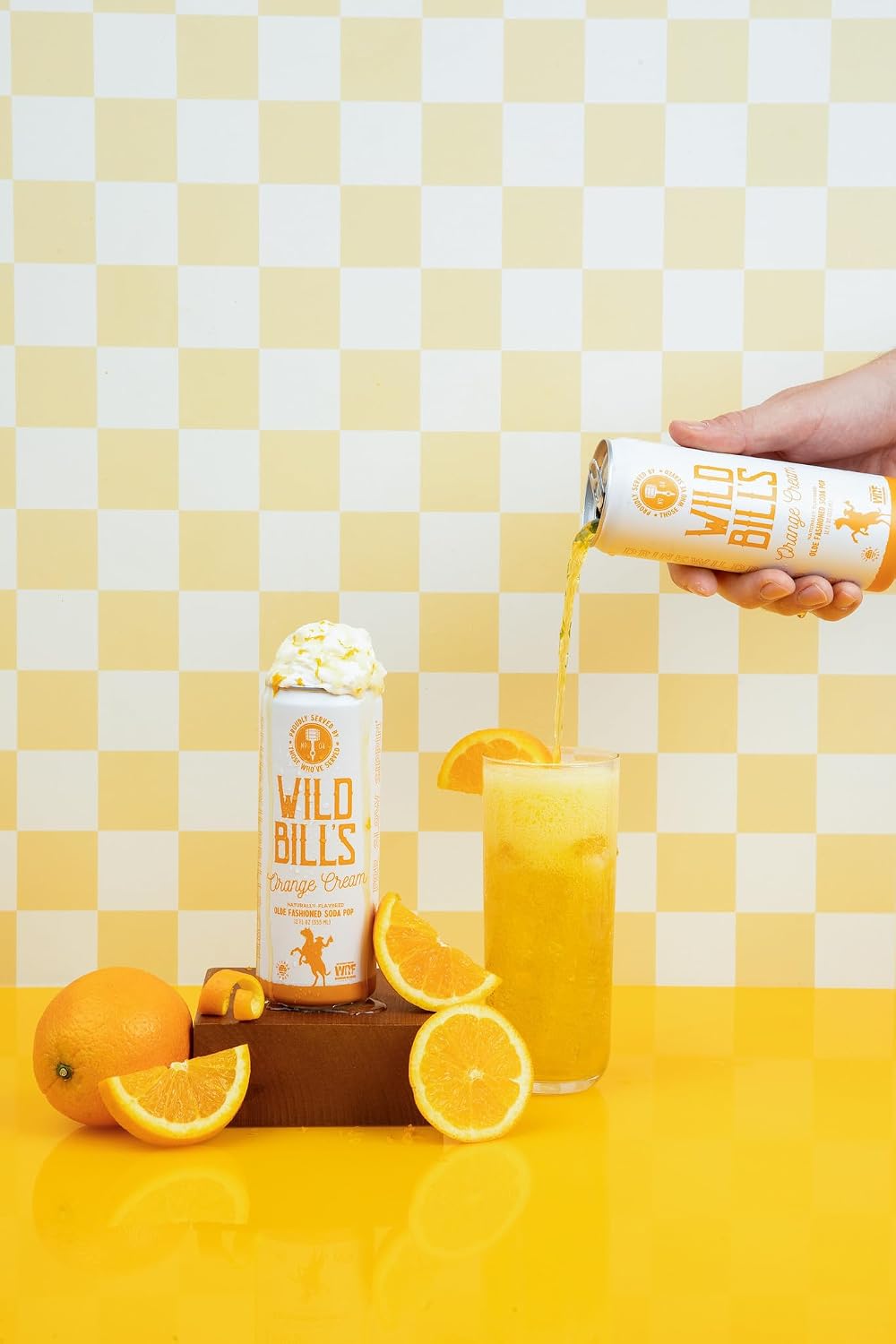
Wild Bill’s has its own origin story: it’s associated strongly with conventions, Renaissance fairs, and outdoor markets — contexts where the theatrical aspect of craft soda (big glass bottles, unusual flavors, draft-style service) is part of the product. Buying Wild Bill’s online means you’re partly buying the memory and the aesthetic, and reviewers largely accept that trade.
The flavor range is genuinely wide — cream soda, sarsaparilla, grape, cherry, orange — and the cane sugar formulations are consistent with the premium tier. Where Wild Bill’s has a documented problem is shipping. Glass-bottle breakage in transit is the most recurring complaint in Wild Bill’s reviews, more so than any other brand in this comparison except Rocky Mountain’s sampler packs. Reviewers who receive broken bottles describe the experience with real frustration — not just the loss of product but the mess, the cleanup, and the hassle of filing claims.
This is not necessarily a reason to avoid Wild Bill’s, but it is a reason to pay close attention to packaging. Reviewers who order through sellers that use foam-insert packaging report significantly fewer breakage incidents than those who receive bottles packed only in bubble wrap.
Best for: Gifts to someone who encountered Wild Bill’s at a fair or convention — the brand carries emotional weight that other craft sodas don’t. Order from a seller who explicitly states foam-insert or individual-sleeve packaging, and build in a backup bottle count if you’re planning quantities for an event.
Rocky
$39.99
In stock on Amazon
Check price on AmazonRocky Mountain: The Carbonation Problem Is Real
Rocky Mountain Soda is the only brand in this comparison where a specific product-quality complaint rises to dealbreaker territory for a meaningful subset of buyers: flat carbonation. Across aggregated reviews, the pattern is consistent enough that it cannot be attributed to a single bad batch. Multiple reviewers across different purchase dates describe opening bottles that are either barely carbonated or completely flat.
That is a serious problem at this price point. Carbonation is not a nice-to-have feature in soda — it is the product. A flat craft soda at premium prices is not a quirky regional experience; it is a defective product. The flavor profiles reviewers describe when carbonation is intact are genuinely appealing — Rocky Mountain’s root beer and cream soda get positive marks for sweetness balance — but the inconsistency creates real purchase risk that the other four brands in this comparison don’t carry.
The aggregated review pattern suggests an ongoing challenge with post-bottling carbonation retention during transit or storage. Whether this is a sealing issue, a transit temperature issue, or a production inconsistency is not confirmed by publicly available reporting, but the pattern across reviews is documented and recurring.
Best for: Buyers who can tolerate a small percentage of flat bottles and are primarily interested in flavor variety — Rocky Mountain’s range is one of the widest in the group. Not recommended for gifts, events, or any context where a flat soda would be a disappointment.
Wild
$33.99
In stock on Amazon
Check price on AmazonFrequently Asked Questions
Why does craft soda with cane sugar taste so different from regular soda with HFCS? Cane sugar (sucrose) has a cleaner, more neutral sweetness that dissolves quickly and doesn’t linger. High-fructose corn syrup carries a slightly heavier mouthfeel and a distinctive aftertaste that can mask or compete with the soda’s primary flavor. Serious Eats, in their piece on cane sugar and craft soda, puts it directly: with cane sugar, you taste the root beer or the orange or the ginger first; with HFCS, you taste the sweetness first.
Is Sprecher Root Beer actually fire-brewed, and does it taste different because of it? Yes, Sprecher uses a gas-fired kettle process. VinePair’s coverage of fire-brewed production methods confirms that heat changes how sugars and botanical extracts integrate, producing a more caramelized and rounded flavor profile. Reviewers consistently describe a vanilla-smoke undertone in Sprecher Root Beer that cold-blended sodas don’t deliver.
How do these craft sodas hold up during shipping without breaking or going flat? Glass breakage is the primary risk, and it varies significantly by brand and by how the seller packs the order. Wild Bill’s and Rocky Mountain samplers have the highest reported breakage rates. Sprecher and Dublin ship in more robust configurations. Look for sellers who specify foam-insert or individual-sleeve packaging. Carbonation loss is a separate issue — Rocky Mountain has documented and recurring complaints; the other four brands in this comparison have minimal carbonation complaints in transit.
Which brand is best for gifting someone who doesn’t usually drink soda? Dublin, for the reasons above — the familiarity of the base flavor makes it accessible, the cane sugar formulation is a genuine improvement the recipient will notice, and the 4.9-star rating means you’re not taking a risk. A Stewart’s variety pack is a strong second choice if you want more flavor diversity in the gift.
Does Rocky Mountain Soda consistently have carbonation problems, or was it a bad batch? The aggregated review pattern suggests it’s a recurring issue, not an isolated incident. Multiple reviewers across different purchase dates describe flat or under-carbonated bottles. The flavor profile gets good marks when carbonation is present, but the consistency is not reliable enough to recommend for events or gifts where a flat soda would be a real disappointment.