If you’ve started exploring the world beyond standard supermarket soda, you’ve probably noticed that a lot of variety packs now carry words like “craft,” “cane sugar,” or “small batch” on the box. That language matters — or at least it should. Most mainstream sodas sold in the United States are sweetened with high-fructose corn syrup (HFCS), a cheaper sweetener made from processed corn starch. Many craft and premium sodas instead use cane sugar (plain sucrose, the same thing as table sugar), which fans consistently describe as producing a cleaner, less cloying sweetness with a faster finish. Whether that difference is worth a 3× price premium is exactly the kind of decision this guide is designed to help you make. We’ll break down what to look for on a label, which variety packs actually deliver what they promise, and where to spend your money depending on your use case — whether you’re stocking a home bar, building a gift basket, or just trying to find the best everyday case.
Why the Sweetener Actually Changes the Product
The HFCS vs. cane sugar debate has genuine substance, not just marketing mythology. Food & Wine’s reporting on sweetener comparisons notes that the two compounds are chemically similar — both are roughly 50/50 glucose and fructose — but their physical behavior in solution differs in ways that affect mouthfeel and finish. HFCS stays in a liquid syrup state, which makes it easy to blend into cold beverages at scale but also means it tends to coat the palate longer. Cane sugar, dissolved from a crystalline state, integrates differently and releases more quickly, which is why cane-sugar sodas are often described as having a “cleaner” finish in aggregated reviewer notes from Tasting Table and Serious Eats.
For cocktail mixing and pairing, that finish speed matters more than people realize. A mixer that lingers sweetly will fight a spirit rather than support it. Bon Appétit’s guides to cocktail sodas and mixers consistently steer readers toward cane-sugar or naturally sweetened options when choosing tonic, ginger ale, or sparkling citrus. Premium mixer brands like Q Mixers and Fever-Tree built their entire value proposition around this point — both use cane sugar or beet sugar and market heavily to bar buyers on the basis of a cleaner, faster-resolving sweetness.
The second issue is label honesty. “Craft” has no regulated definition in the beverage industry. A soda can call itself craft while using HFCS, artificial flavors, and contract-manufactured production. VinePair’s coverage of the premium soda market flags this directly, noting that the craft soda category has grown so fast that large beverage conglomerates now own or distribute many brands that started as independents — sometimes quietly switching formulas after acquisition. Knowing how to read an ingredient label is the single most reliable skill you can develop in this hobby.
How to Read the Label Before You Buy
Here’s the two-step check that takes about 15 seconds per product:
-
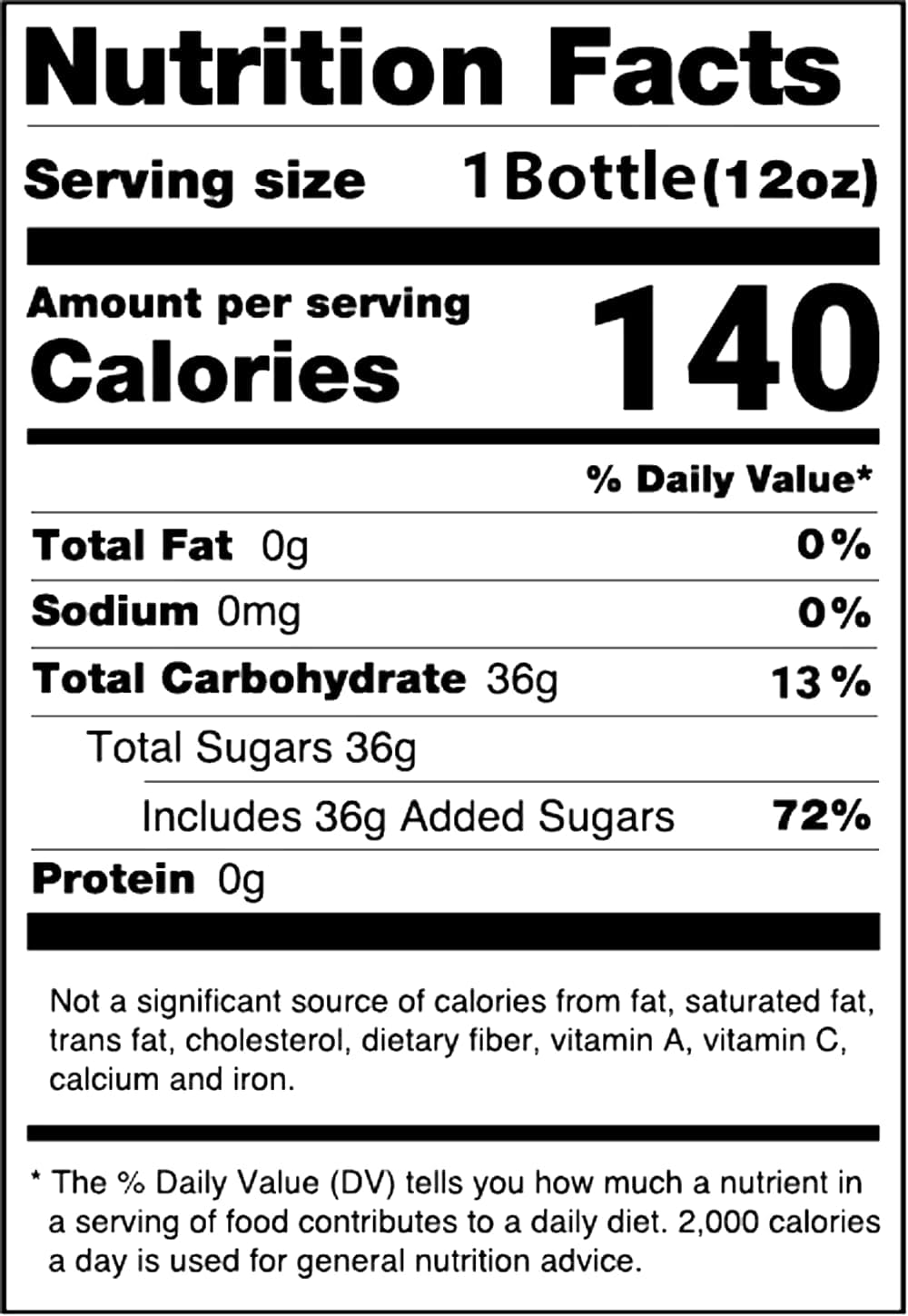
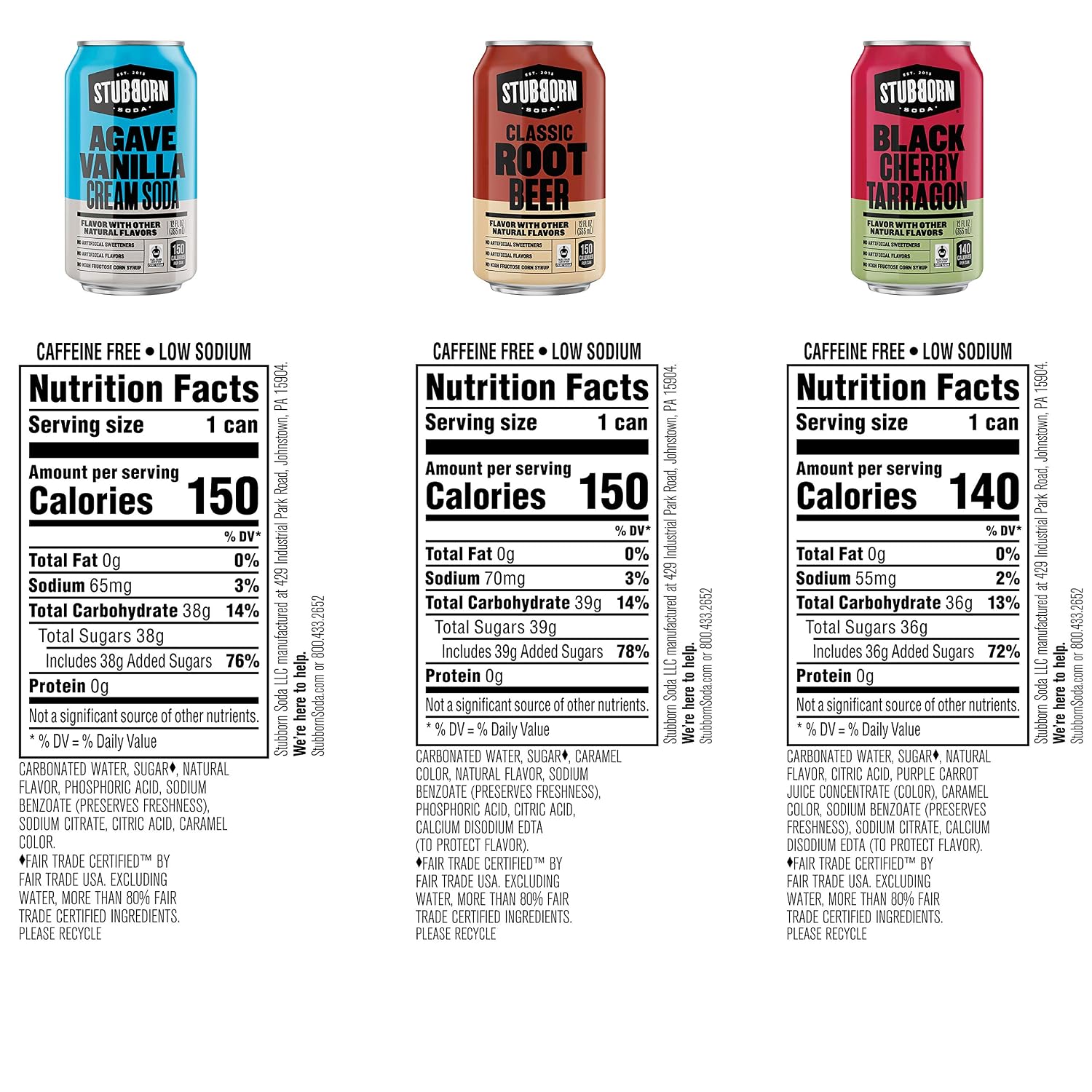
Sweetener line: Look for “pure cane sugar,” “cane sugar,” or “cane juice” in the first three ingredients. “Sugar” without a qualifier could be beet sugar (functionally fine, often used by European imports) or could be a blend. “High fructose corn syrup,” “corn syrup,” or “glucose-fructose syrup” means HFCS regardless of what the front-of-pack says.
-
Flavor line: “Natural flavors” is a broad legal category that includes both genuinely natural extracts and heavily processed flavor compounds. It’s not automatically a red flag, but paired with a low unit price, it often signals a thinner product. Named ingredients — “real ginger,” “Meyer lemon juice,” “hibiscus extract” — are a better sign.
The Variety Pack Landscape in 2026: Price Tiers at a Glance
| Tier | Sweetener | Typical 12-pack Price | Per-Unit Cost |
|---|---|---|---|
| Mainstream multipack | HFCS | $5–$9 | ~$0.50–$0.75 |
| Mid-tier craft | Cane sugar | $18–$30 | ~$1.50–$2.50 |
| Premium / imported | Cane sugar or beet sugar | $30–$60 | ~$2.50–$5.00 |
| Specialty single-unit | Varies | $3–$6 per bottle | — |
The gap between mainstream and mid-tier is where most of the buying decisions happen, and where the label-honesty problem is most acute.
Which Variety Packs Are Actually Worth It
Mid-Tier Cane Sugar Packs ($18–$30): The Reliable Core
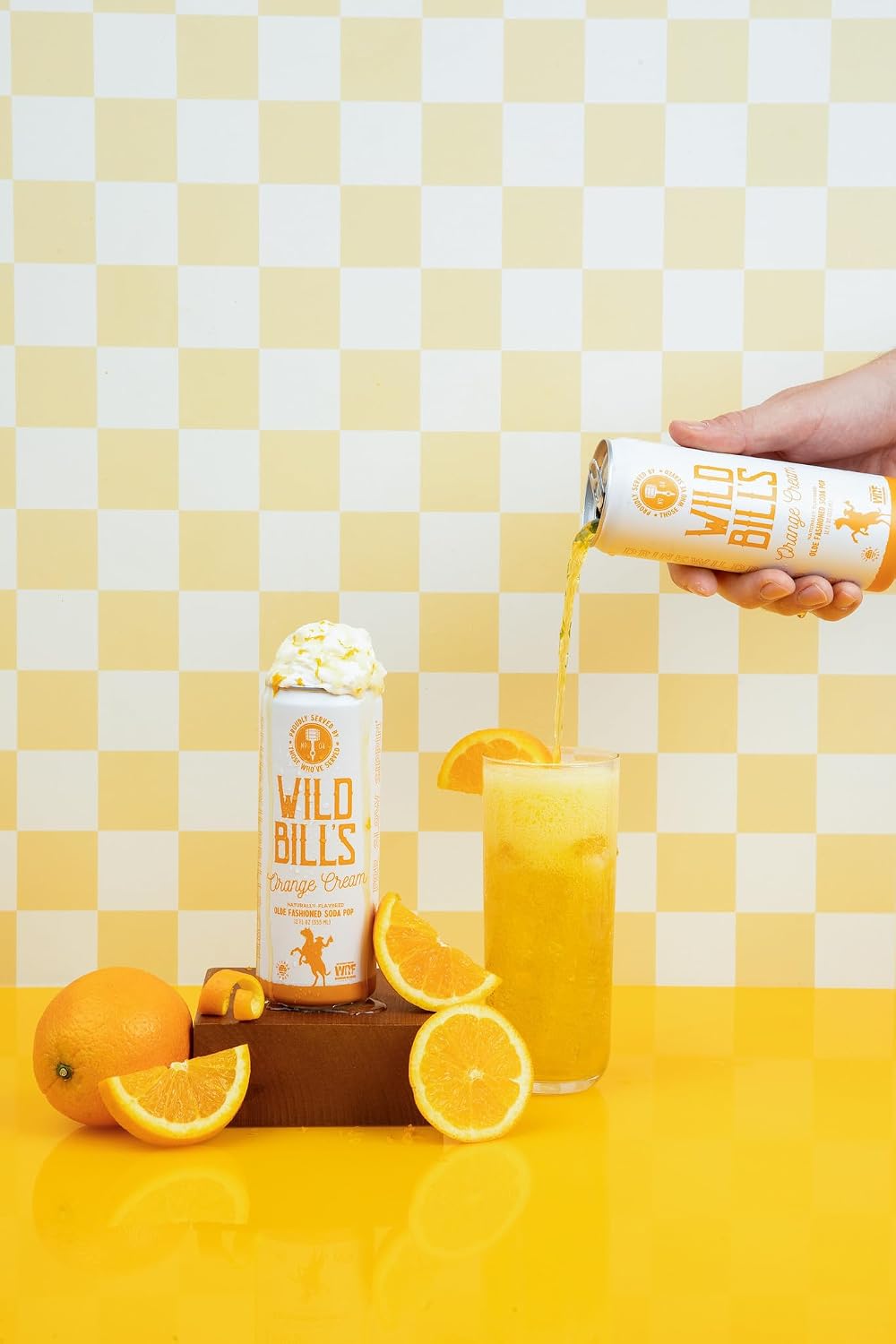
Wild
$33.99
In stock on Amazon
Check price on AmazonThis is the most crowded part of the market and, usefully, the most straightforward. Brands at this tier consistently earn trust from reviewers across Serious Eats and Tasting Table for ingredient transparency and flavor quality.
Boylan Bottling Co. remains one of the most-cited mid-tier craft brands in Serious Eats coverage of the category. Their variety packs — typically including cane sugar cola, black cherry, orange, and cream soda — use pure cane sugar across the entire lineup, and the ingredient lists are clean and short. Reviewers consistently note the birch beer and black cherry as standout flavors. Boylan is widely available through major online retailers and specialty beverage shops.
Virgil’s (owned by Reed’s Inc.) makes a full-line variety pack covering root beer, cream soda, black cherry, and orange cream. Their flagship root beer uses cane sugar and a blend of natural extracts — vanilla, anise, licorice root — that Tasting Table reviewers consistently rank among the more complex root beers in the mid-tier segment. Worth noting: Reed’s has had financial turbulence in recent years, and some reviewers have flagged minor formula inconsistency across production runs. For home entertaining and gifting, it remains a strong pick.
What to skip in this tier: Several nationally distributed packs use “craft” framing but list HFCS as the primary sweetener. Jones Soda, a brand many enthusiasts remember fondly from its early 2000s peak, has reformulated certain SKUs over the years; check current labels before buying in quantity, as the sweetener has varied by product line and release year.
Wild
$33.99
In stock on Amazon
Check price on AmazonPremium and Imported Packs ($30–$60): Where Flavor Complexity Earns Its Price
Rocky
$39.99
In stock on Amazon
Check price on AmazonAt this tier, you’re not just paying for cane sugar — you’re paying for sourcing specificity, small-batch production, and in many cases formats that are genuinely harder to find.
Bruce Cost Ginger Ale is the most frequently cited name in this tier when reviewers discuss unfiltered, ingredient-honest craft soda. Made with fresh ginger (not ginger flavoring), cane sugar, and citric acid, it has a noticeably pulpy texture and a sharp, warming ginger finish that most ginger ales cannot approach. It is a legitimately excellent cocktail mixer — Bon Appétit has pointed to fresh-ginger sodas specifically for pairing with aged spirits and in dark-and-stormy style builds. Variety packs include the original plus turmeric and jasmine-ginger variants.
Dry Sparkling takes a different approach: low sugar, wine-like effervescence, and sophisticated flavors (cucumber, lavender, blood orange, rhubarb) aimed squarely at the cocktail mixer and non-alcoholic pairing market. Sugar content runs 50–70% lower than most sodas in the category, sweetened with cane sugar in small quantities rather than high-intensity sweeteners. VinePair has positioned Dry as one of the few craft sodas genuinely comfortable at a restaurant table alongside a full meal. At $30–$45 per 12-pack, it is a specific-use buy — better for event service and cocktail building than for standalone everyday drinking.
Q Mixers Premium Cocktail Mixer Variety Pack: Q occupies an interesting position — it markets primarily as a mixer, not a standalone soda, which keeps expectations honest. Their ginger beer and tonic water use quinine from natural bark sources, organic agave, and cane sugar. Across aggregated bar-buyer reviews covered by VinePair, the Q tonic is consistently noted as having a more bitter, more complex character than comparable mixers at a similar price point, making it worth stocking for events where the spirit quality is high.
Rocky
$39.99
In stock on Amazon
Check price on AmazonSpecialty and International Singles ($3–$6 per unit): The Collector Tier
Stubborn
$22.97
In stock on Amazon
Check price on AmazonFor the collector segment, variety is less about variety packs and more about sourcing specific single-origin products. Kimura Ramune (Japanese marble-seal carbonated soda) and glass-bottle Mexican Coca-Cola (made with cane sugar, not HFCS, by a distinct contractual formula) are the two most-discussed examples in this space.
Mexican Coke deserves a direct note: it is genuinely formulated with cane sugar, and that difference is verifiable on the label. The flavor distinction versus domestic HFCS Coke is real enough that it appears in comparative tastings covered by Serious Eats and Tasting Table, where tasters consistently find the Mexican Coke’s sweetness shorter-finishing and the carbonation slightly softer. It is not nostalgia bias — the chemistry is measurably different. For gifting and event service, a case of glass-bottle Mexican Coke sourced through a specialty importer or restaurant-supply retailer is one of the highest-value-for-impact moves in this category.
Stubborn
$22.97
In stock on Amazon
Check price on AmazonThe Functional and Health-Conscious Tier: Read These Labels Most Carefully
Olipop and Poppi sit at the intersection of craft soda aesthetics and functional health claims — prebiotic fiber, gut health positioning. Both use cane sugar in small quantities and supplement sweetness with stevia or other high-intensity sweeteners to keep total sugar counts low. Neither brand hides this; the labels are fairly transparent. The tradeoff is a perceptible stevia aftertaste in several SKUs, particularly in apple and strawberry lemon flavors based on aggregated reviewer commentary across Tasting Table and The Kitchn. If your buyer is specifically avoiding HFCS but is also stevia-sensitive, these may not be the right pick.
Recess (adaptogens plus magnesium, sparkling format) uses cane sugar without stevia blending and tends to read as a more conventional soda experience, with a lighter and less medicinal flavor profile than either Olipop or Poppi in head-to-head comparisons noted by The Kitchn reviewers.
The Decision Rule
Here’s how to use everything above in a single framework:
-
If you’re building a home bar or sourcing event mixers: Spend up. Q Mixers or Bruce Cost Ginger Ale variety packs are the correct call. The sweetener quality and ingredient specificity pay off at the glass, and Bon Appétit’s mixer guidance consistently supports this tier for serious cocktail applications.
-
If you’re stocking household variety or building a gift pack: Boylan or Virgil’s mid-tier variety packs cover the most ground at the most defensible price. Verify sweeteners on the current label before ordering in bulk, since formulas can shift after ownership changes — a pattern VinePair has documented across several acquired craft brands.
-
If you’re buying for a health-conscious audience: Olipop or Recess are the cleaner choices, but know that “cane sugar” on these labels comes alongside other sweeteners. Read the full ingredient panel, not just the front-of-pack callout.
-
If the label says “craft” but HFCS is in the first three ingredients: Put it back. The word “craft” is doing marketing work, not ingredient work. The ingredient panel is the only document that matters.
The variety pack market in 2026 is genuinely good — there are more honest, complex, cane-sugar sodas available at accessible prices than at any point in the category’s history. The downside is that the “craft” umbrella has gotten wide enough to shelter some products that don’t belong there. Fifteen seconds and a readable label is all it takes to tell the difference. Use the tier structure above as your starting point, verify sweeteners before you commit to a case quantity, and let the ingredient panel have the final word over any front-of-pack claim.